If you’re waking up earlier than you used to, or finding yourself tired in the middle of the afternoon, you’re not imagining things. Sleep really does change as we get older.
The shift usually starts happening somewhere in middle age. You might notice you can’t sleep in like you once did, even on weekends. Or maybe you’re waking up more often during the night. These changes catch a lot of people off guard because we tend to think our sleep should stay the same throughout our lives.
Here’s the tricky part: some of these changes are completely normal, while others might be signs that something needs attention. Your body’s internal clock naturally shifts with age, and that’s okay. But certain sleep problems aren’t just part of getting older, even though many people assume they are.
The difference matters because accepting every sleep issue as inevitable can mean missing real problems that have solutions. On the flip side, worrying about every change can create unnecessary stress when your sleep is actually doing exactly what it’s supposed to do at your age.
Understanding what’s typical and what’s not can help you sleep better and know when it’s worth talking to a doctor. Not every restless night needs medical intervention, but persistent problems shouldn’t be brushed off as simply getting older either. The goal is to recognize the patterns that deserve your attention and let go of worry about the ones that don’t.
Older people usually don’t need dramatically less sleep
There’s a stubborn myth that older adults naturally need far less sleep than younger people. You’ve probably heard someone say their grandmother only sleeps five hours a night and feels fine. But here’s the reality: most older adults still need around seven to eight hours of sleep to function at their best.
The confusion comes from mixing up two different things. Sleep need is how much sleep your body actually requires to work properly. Sleep ability is how easily you can get that sleep. As you age, your ability to sleep often gets worse, but your need for sleep doesn’t drop nearly as much as people think.
What actually changes is that older adults often struggle more to get those hours. You might wake up more often during the night. You might have a harder time falling back asleep. Your sleep might feel lighter and less refreshing. So you end up with fewer total hours, not because you need less, but because getting a full night becomes harder.
This matters because normalizing very short sleep can be harmful. If you’re only sleeping five hours because you think that’s just what happens with age, you might be quietly running on empty. Poor sleep affects your memory, balance, mood, and overall health.
Everyone is different, of course. Some people genuinely do well on less sleep. The key question isn’t whether you’re hitting some magic number. It’s whether you feel rested, alert, and healthy during the day. If you’re constantly tired or relying on naps to get through, that’s worth paying attention to.
Normal sleep shifts you may notice with age
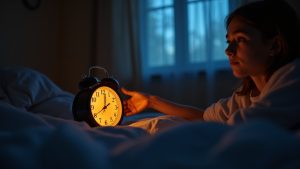
If you find yourself yawning at 8 p.m. when you used to stay up until midnight, you’re not alone. One of the most common changes with age is that your internal clock shifts earlier. You might feel genuinely tired by early evening and wake up at 4:30 or 5 a.m. without an alarm, even if you don’t particularly want to.
Your sleep also tends to get lighter as you age. This doesn’t mean you’re sleeping badly. It just means you’re more easily disturbed by sounds, temperature changes, or your own body’s signals. You might wake up two or three times during the night to use the bathroom or adjust your blankets, then fall back asleep. These brief awakenings are completely normal for older adults, even if they rarely happened when you were younger.
Many people also notice it takes a bit longer to drift off at bedtime. Instead of falling asleep within minutes, you might lie there for fifteen or twenty minutes. This can feel frustrating, especially if falling asleep used to be effortless. But if you’re otherwise healthy and feel reasonably rested during the day, this change is just part of how sleep and aging work together.
The important thing to understand is that these changing sleep patterns don’t automatically mean something is wrong. Your sleep is evolving, not breaking. Yes, it might feel different or less convenient than it used to be. But different doesn’t always equal problematic. The real question is whether these changes are preventing you from feeling functional and reasonably energetic during your waking hours.
Why sleep can feel lighter and more broken as you age
Your sleep doesn’t just get worse with age for no reason. There are specific shifts happening in your body and life that make falling asleep harder and staying asleep even trickier.
One of the biggest changes is that your internal clock tends to shift earlier. You might start feeling sleepy at 8 p.m. instead of 10 p.m., then wake up at 4 a.m. wondering why you can’t go back to sleep. This isn’t insomnia. It’s your body clock resetting itself, and it’s completely normal for older adults.
At the same time, your body builds up less sleep pressure during the day. Think of sleep pressure like hunger for rest. When you’re younger, it accumulates steadily all day. As you age, that drive weakens a bit, especially if you’re less physically active or you take naps. A midday nap might feel restorative, but it also reduces how sleepy you feel at bedtime.
Life circumstances matter too. Retirement can disrupt the structure that used to anchor your sleep schedule. Without a morning alarm or fixed commitments, your sleep timing can drift. Stress from caregiving, health worries, or even just having more time to think at night can keep your mind spinning when you’d rather be resting.
None of this means you’re doing something wrong. These are typical parts of how sleep and aging intersect. The goal isn’t to sleep like you did at 25. It’s to understand what’s happening so you can work with your changing body instead of fighting it.
How to tell normal aging from a health issue
The key to spotting a problem isn’t one rough night. It’s the pattern. If you’re dealing with sleep issues night after night, or if they’re affecting how you feel and function during the day, that’s worth paying attention to.
Feeling sleepy all day, every day is a red flag. Yes, older adults might wake earlier or sleep lighter, but you shouldn’t feel exhausted or struggle to stay awake during normal activities. If you’re nodding off while reading, watching TV, or talking with someone, your nighttime sleep isn’t doing its job.
Watch for changes in your thinking or mood that track with poor sleep. If you’re noticing more memory slips, trouble focusing, increased irritability, or feeling down, and these issues showed up alongside sleep problems, they’re likely connected.
Loud snoring, gasping, or pauses in breathing during sleep are never just part of aging. Same goes for legs that feel uncomfortable, twitchy, or restless when you’re trying to sleep. These point to specific issues that have treatments.
Getting up to use the bathroom once or twice is common. But if you’re going four or five times a night, or if you can’t fall back asleep afterward, something else might be going on beyond your bladder.
Pay attention to timing too. Sleep patterns usually shift gradually over years. If your sleep changes suddenly over weeks or months, especially if other health issues or new medications came along at the same time, bring it up with your doctor.
The bottom line: some change is normal, but struggling isn’t. If poor sleep is making your days harder or your life less enjoyable, that’s reason enough to get it checked out.
Common reasons sleep gets worse that aren’t ‘just aging’
When sleep starts falling apart in your fifties or sixties, it’s easy to assume your body is simply wearing out. But often, what looks like inevitable decline is actually something much more fixable.
Pain is one of the biggest culprits. Arthritis in your hips, a stiff lower back, or even restless legs can jolt you awake repeatedly without you fully realizing why. You might just know you’re waking up more, but not connect it to that dull ache in your shoulder.
Heartburn and acid reflux tend to get worse with age, especially when you’re lying flat. That burning sensation or the need to clear your throat at 3 a.m. isn’t a sleep problem, it’s a digestion problem disrupting your sleep.
Medications are another common troublemaker. A new blood pressure pill, a diuretic that makes you need the bathroom, or even an over-the-counter antihistamine can all shift your sleep patterns. If your early morning awakenings started right around when your doctor adjusted your prescriptions, that’s worth mentioning.
Anxiety and depression don’t disappear with age. In fact, they often show up differently, sometimes as restless sleep or very early waking rather than obvious sadness. Worrying about health, money, or loved ones can keep your mind spinning at night.
Then there are lifestyle factors. Sitting more and moving less means your body isn’t as physically tired. Retiring can remove the structure of a regular schedule, which throws off your internal clock. And paradoxically, spending too much time in bed trying to “catch up” on sleep can actually make insomnia worse. Your body starts to think bed is a place for restless wakefulness, not solid rest.
Naps, bedtime, and morning light can quietly reshape sleep
Your daily habits can shift when and how well you sleep, often without you realizing it. These aren’t dramatic changes. They’re subtle pushes that add up over time.
A long afternoon nap feels restorative in the moment, but it also uses up some of your sleep drive. That’s the pressure to sleep that builds throughout the day. If you nap for an hour or two in the late afternoon, you might not feel as sleepy at your usual bedtime. You’re not doing anything wrong. You’ve just spent some of the fuel that powers nighttime sleep.
Going to bed very early can create its own puzzle. If you climb into bed at eight because you’re tired, your body might naturally wake up at three or four in the morning. You’ve gotten a full night’s sleep, just on an earlier schedule. It can feel like insomnia, but it’s often just math.
Light also plays a bigger role than most people expect. Morning light helps set your internal clock, signaling that the day has started. It can make you feel more alert earlier and help you fall asleep at a consistent time later. Evening light, especially the blue glow from screens, does the opposite. It tells your body that it’s still daytime, which can delay sleepiness.
None of this means you need to follow a rigid schedule. It’s more about noticing the patterns. If you’re waking up too early, look at when you’re going to bed. If you’re lying awake at night, think about your naps or evening screen time. Small shifts in timing can explain a lot of what feels mysterious about your sleep.