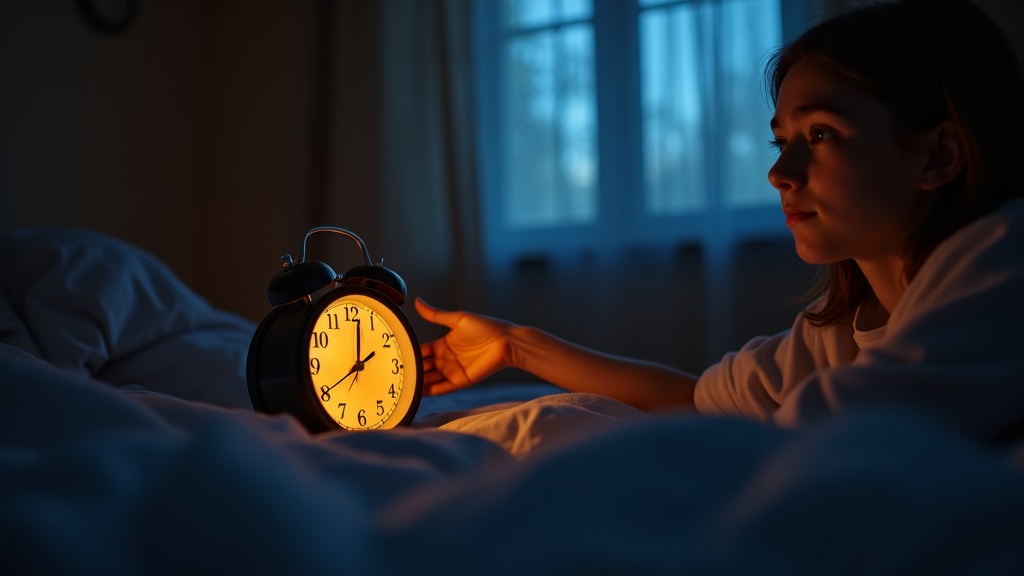
You already know you need more sleep. You’ve probably heard it from your parents, your doctor, maybe even your teachers. The problem isn’t that you don’t understand sleep matters. The problem is that getting enough sleep as a teenager feels nearly impossible.
Your biology is actually working against you right now. Your brain naturally wants to stay up later and wake up later than it did when you were younger. But school still starts early. Then there’s homework that stretches into the evening, a phone that never stops buzzing, maybe a part-time job or sports practice, and the simple fact that nighttime often feels like the only time that’s actually yours.
Most advice about teen sleep is written for parents trying to manage their kids’ schedules. That’s not what this is. You’re dealing with real constraints that adults often forget or minimize. You can’t just ignore your homework. You can’t skip the group chat when everyone’s making plans. And you definitely can’t change what time school starts.
But here’s the thing: small changes actually do make a difference. Not the lecture kind of advice about putting your phone away at eight o’clock, but practical adjustments that fit into the life you’re actually living. You don’t need perfect sleep habits to feel better. You just need a few strategies that work with your schedule, not against it.
So let’s talk about what actually helps when you’re navigating early mornings, late nights, and a brain that seems determined to keep you awake.
Why sleep can feel impossible as a teen
If you feel like you can never get enough sleep, you’re not imagining it. Being a teenager comes with a specific set of sleep challenges that most adults either forget about or never really understood in the first place.
Your schedule is probably packed. Between school, homework, extracurriculars, maybe a job, and trying to have some kind of social life, there aren’t enough hours in the day. And school starts early, often before your body is actually ready to be awake. You’re expected to be alert and functional at times that just don’t match up with when your brain naturally wants to sleep and wake.
On top of that, you might notice you feel more awake at night than you did as a kid. That’s not laziness or you being difficult. Your body’s internal clock actually shifts during the teen years, making you naturally feel alert later in the evening. So when adults tell you to just go to bed earlier, they don’t realize your brain is genuinely wired at 10 p.m.
Then there’s stress. Worrying about grades, friendships, college, or just life in general keeps your mind racing when you’re trying to wind down. Your brain stays in problem-solving mode instead of sleep mode.
The point here isn’t to throw your hands up and accept exhaustion forever. It’s to recognize that teen sleep challenges are real and structural, not just about willpower or laziness. You’re working against some pretty significant obstacles. Understanding what’s actually in your way is the first step to figuring out what you can realistically change.
How to stop your phone from stealing your sleep
Your phone is probably the biggest thing standing between you and decent sleep. Not because screens are evil, but because they’re designed to keep you hooked. Every notification creates a little spike of anxiety or curiosity. Every scroll through social media offers just one more post. And the pressure to respond to messages right away makes it feel like you can never actually log off.
The worst part is how your brain gets stuck in alert mode. When you’re checking who liked your post or watching TikToks at midnight, your mind stays revved up instead of winding down. Then you lie there wide awake even after you finally put the phone down.
You don’t need to abandon your phone completely, but you do need some boundaries you can actually stick to. Try setting a specific “last check” time, maybe thirty minutes before you want to sleep. Give yourself permission to scroll or text until then, but make it a hard stop.
Put your phone on Do Not Disturb after that time. Most phones let you allow calls or texts from specific people to come through, so you’re not completely unreachable if there’s an actual emergency. Everyone else can wait until morning.
Here’s the move that actually works: charge your phone somewhere you can’t reach from bed. Across the room is good. Another room is better. This kills the temptation to “just check one thing” when you can’t sleep.
The fear of missing out is real, but here’s the truth: whatever happened in the group chat at 1am will still be there in the morning. And if your friends are mad you didn’t respond instantly while you were asleep, that’s their problem, not yours.
What to do when homework eats your evening
The most practical thing you can do is pick a stop time and actually stop. Not when the work is done, but when the clock says so. Ten or ten-thirty, whatever makes sense for your morning alarm. Some nights you’ll finish everything. Many nights you won’t. That’s the trade-off.
Before you panic about your grades, know that working past eleven usually makes things worse, not better. Your tired brain takes twice as long to understand things and makes more mistakes. You’re borrowing time from tomorrow when you’ll be even more behind.
If you’ve got a massive assignment, try to do the hardest part earlier in the day when your brain actually works. Right after school, during lunch, whenever. Even twenty minutes on the worst part helps. You don’t need a perfect schedule. You just need to chip away before you’re already exhausted.
When you sit down at night, work in short bursts. Thirty minutes of actual focus, then a real break. Not scrolling your phone while half-reading a textbook for two hours. Shorter and focused beats long and distracted every time.
Before bed, spend two minutes deciding what you’ll do first tomorrow. Write it down. This keeps your brain from spinning all night about everything you didn’t finish.
Some assignments really don’t need to be perfect. A solid summary is better than an exhausted masterpiece you’ll turn in late. Figure out what can be good enough tonight so you can sleep.
If you truly have to stay up late, fine. It happens. But the next day, get back to your stop time. One late night is recovery time. Two becomes your new normal, and that’s when everything falls apart.
How to fall asleep faster without forcing it
Falling asleep isn’t something you can force, which is frustrating when you’re lying there wide awake. But you can set things up so your brain gets the hint that it’s time to power down.
Start your wind-down about an hour before you want to sleep. This doesn’t mean you have to sit in silence like a meditation retreat. It just means switching to quieter, calmer activities. Dim the lights in your room if you can. Your brain reads bright light as daytime, so even small changes help.
A short routine works because it becomes a signal. It could be as simple as brushing your teeth, changing clothes, and spending ten minutes reading something light. Not homework, not something intense. Just something that keeps your hands and eyes busy without revving up your thoughts.
If your mind is racing with everything you didn’t do or need to remember, keep a notebook by your bed and dump it all out. Write it down quickly and messily. You’re not journaling, just clearing the mental tabs so you can close them for the night.
Some people find it helpful to listen to something calm, like a podcast at low volume or ambient sound. Others like light stretching to release physical tension. Find what feels natural, not what you think you’re supposed to do.
If you’ve been lying there for more than twenty minutes and sleep isn’t coming, get out of bed for a bit. Go to another room if possible, do something boring and calm for ten minutes, then try again. This isn’t failure. You’re just hitting reset. Staying in bed awake can actually train your brain to associate your bed with being awake, which is the opposite of what you want.
How mornings and weekends can mess with your sleep
Here’s something that might sound backwards: sleeping in until noon on Saturday can actually make it harder to fall asleep Sunday night. Your body has an internal clock that expects you to wake up around the same time each day. When you suddenly shift that time by three or four hours, it’s like giving yourself mild jet lag.
What happens is your body starts producing sleep hormones later and later. So even though you’re exhausted Monday morning, come Monday night you’re still wide awake at your usual bedtime. Then you’re tired again Tuesday, and the whole week becomes this cycle of being exhausted but unable to sleep when you need to.
The same thing happens with long afternoon naps. A three-hour nap after school might feel amazing in the moment, but it can steal sleep from nighttime. Your body only needs so much sleep total, and a big nap means you won’t be tired enough when bedtime rolls around.
The fix isn’t waking up at 6am every single day, including weekends. That’s not realistic and honestly sounds miserable. Instead, try to keep your wake-up time within about an hour or two of your school schedule, even on days off. If you normally wake at 6:30 for school, shooting for 8:00 or 8:30 on weekends keeps your rhythm steady without killing your chance to rest.
If you’re dragging in the morning, get some bright light and move around right after waking up. Open the curtains, go outside for a minute, or do some quick stretches. It signals to your body that it’s actually time to be awake. And if you’re truly exhausted during the day, a short 20-minute nap is way better than a long one. It takes the edge off without messing up your night.