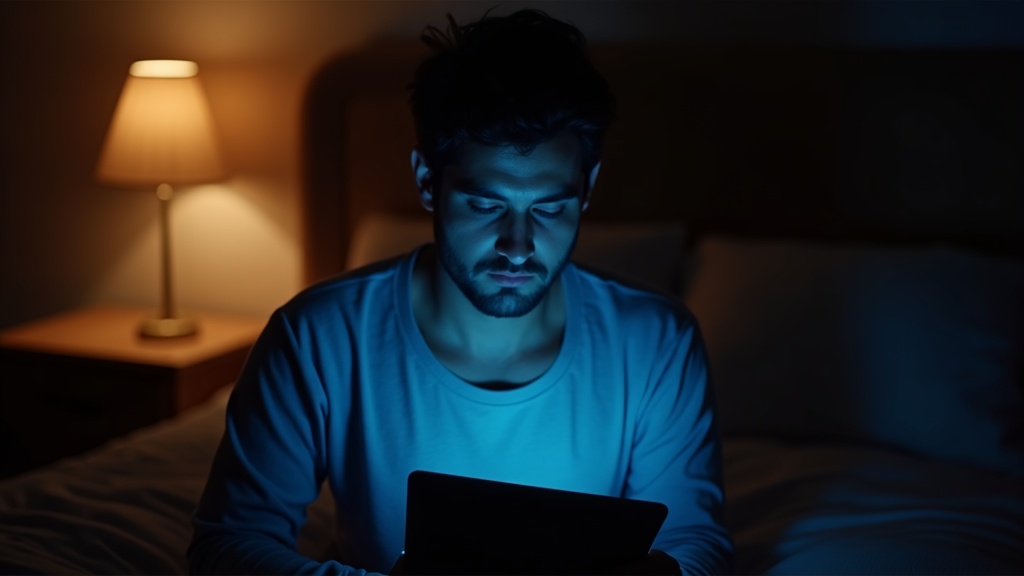
You know the routine. You climb into bed, grab your phone for a quick scroll through social media or maybe one last episode of that show you’re watching. An hour later, you’re still awake, eyes tired but mind buzzing, wondering why sleep feels so far away.
If this sounds familiar, you’re not alone. Millions of people do exactly the same thing every night, then struggle to fall asleep or wake up feeling like they barely rested at all.
The usual advice is to just stop using screens before bed. Put the phone away. Turn off the TV. Create a tech-free sanctuary. But let’s be honest: that’s not realistic for most of us. Your phone is your alarm clock, your reading device, your way to wind down after a long day. Sometimes you need to answer a late message or finish something for work.
The good news is you don’t have to choose between your devices and decent sleep. The light from your screens does affect how quickly you fall asleep and how well you rest, but understanding why that happens gives you practical ways to reduce the impact without going completely device-free.
This isn’t about perfection or creating some elaborate bedtime ritual. It’s about small, manageable changes that actually fit into real life. Because the goal isn’t to punish yourself for scrolling before bed. It’s to help you sleep better while still living in the modern world.
Blue light is common, bright, and not just from screens
Blue light sounds like something artificial or modern, but it’s actually just one color in regular light. Every time you step outside during the day, you’re soaking in blue light from the sun. It’s been around forever. It’s part of what makes the sky look blue.
The thing is, blue light is especially bright and energizing. That’s great in the morning when you want to wake up. Less great at ten o’clock at night when you’re trying to wind down.
Your phone and tablet definitely emit blue light, but they’re not the only culprits. Most LED bulbs put out a lot of it too, especially the ones labeled “daylight” or “cool white.” Your TV does the same. Even that modern desk lamp you bought might be flooding your evening with the kind of light your brain associates with midday.
Here’s the important part: blue light isn’t poison. It’s not damaging your eyes or ruining your health just by existing. The problem is timing and context. When your brain gets hit with bright, blue-tinted light after sunset, it can get confused about what time of day it is. That confusion is what messes with your sleep.
Think of it this way: blue light is like coffee for your brain’s internal clock. A cup in the morning helps you function. Three cups at bedtime makes sleep a lot harder. The light itself isn’t bad. It’s just showing up at the wrong time.
Why blue light can make sleep harder for some people
Your brain relies on light to figure out what time of day it is. Bright, cool-toned light—the kind that comes from sunny skies and also from your phone screen—sends a signal that it’s daytime. That’s useful in the morning. Less so at 11 p.m.
When you look at a bright screen in the evening, especially one with a lot of blue and white light, your brain can get a bit confused. It might hold off on the sleepy feelings that usually build up as night approaches. Instead of winding down, your internal clock gets nudged in the direction of staying alert.
This doesn’t mean screens instantly wreck your sleep. The effect depends on how bright the screen is, how close you are to it, and how long you’re looking. Scrolling for five minutes in a dimly lit room is very different from watching a bright video an inch from your face for an hour right before bed.
It also varies from person to person. Some people seem barely affected. Others notice they feel wired after evening screen time, or that they’re still wide awake when they’d normally feel tired. Your age, natural sleep patterns, and even your sensitivity to light all play a role.
The key thing to understand is that blue light isn’t some sleep poison. It’s just light that happens to be especially good at signaling daytime. And when that signal arrives late in the evening, it can throw off the timing of when your body is ready to sleep.
Screens can keep you awake even when blue light is reduced
Here’s the thing about blue light blockers: they might filter the wavelengths, but they don’t do anything about what you’re actually looking at. And that content matters just as much as the light itself.
Scrolling through bad news, checking work emails, or watching dramatic videos all fire up your brain when it should be winding down. Your mind doesn’t know the difference between a real emergency and a stressful headline. It just knows something important is happening and you need to stay alert.
Then there are games and social media, designed specifically to keep you engaged for one more level, one more post, one more comment thread. That “just five more minutes” turns into an hour without you noticing. The blue light might be blocked, but you’re still stealing time from actual sleep.
Notifications make things worse. Every ping or buzz interrupts whatever calm you’ve managed to build. Even if you don’t fully engage, your brain still has to process the interruption and decide whether it matters. That’s the opposite of the smooth transition into sleep your body needs.
Blue light is real, and it does affect your sleep. But it’s just one piece of a bigger puzzle. If you block the blue wavelengths but still doomscroll until midnight, check your work inbox from bed, or let notifications interrupt your wind-down routine, you’re only solving part of the problem. The screen itself, and what you do with it, matters too.
Small device and lighting changes that reduce blue light exposure
You don’t need to abandon your phone at sunset to improve your sleep. Most devices come with built-in options that shift the screen toward warmer, less alerting colors. These go by names like Night Shift, Night Mode, or Reading Mode, and they reduce the blue end of the light spectrum in favor of amber and orange tones.
Turn these features on a couple hours before bed, not just five minutes before you hit the pillow. Your brain needs time to register the shift. The earlier you start dimming and warming your screens, the better the effect.
Brightness matters just as much as color. A dim, warm screen is far gentler on your system than a bright one with a blue light filter applied. So dial down the brightness manually in the evening, even if your phone adjusts automatically. The goal is less light overall, not just less blue light.
Your room lighting plays a role too. Overhead lights and cool white bulbs can keep you alert even if your phone is on night mode. Switching to warmer lamps or lower wattage bulbs in the evening helps create a consistent wind-down environment. Think soft yellows instead of harsh whites.
If you want to go a step further, consider where your light is coming from. A lamp across the room is easier on your eyes than a bright screen held close to your face. Distance and dimness work together. The combination of warmer colors, lower brightness, and softer ambient lighting gives you the biggest benefit without requiring you to change your entire routine.
What to know about blue blocking glasses before you buy them
Blue blocking glasses are tinted lenses designed to filter out some of the blue light from screens and indoor lighting. They’ve become popular as a quick fix for sleep problems, but they work best as one tool among several, not a magic solution on their own.
The tint matters more than you might think. Darker amber or orange lenses block more blue light than the clear or barely yellow ones. If you’re wearing glasses that look almost normal, they’re probably not doing much. The trade-off is that darker lenses can make everything look strange and aren’t great if you need to see colors accurately.
Timing is important too. These glasses are most useful in the couple of hours before bed when you’re exposed to bright screens or LED lights. Wearing them all day doesn’t make sense and might actually mess with your alertness when you need it.
But here’s what the glasses can’t fix. They don’t make your screen less bright overall, and brightness itself can keep you alert. They also don’t make stimulating content less stimulating. Scrolling through stressful news or getting into heated discussions will still wind up your brain, tinted lenses or not.
Comfort and consistency matter just as much as the tint. If the glasses hurt your nose or give you a headache, you won’t wear them. And if you only remember to use them occasionally, don’t expect much benefit.
Think of blue blocking glasses as a helpful addition to better evening habits, not a replacement for them. They might take the edge off late-night screen time, but they work best when you’re also dimming lights and winding down in other ways.
A screen-friendly evening routine that still protects sleep
You don’t need to banish screens completely to sleep better. The goal is to make your evening gradually quieter and calmer, so your brain gets the hint that sleep is coming.
Start by thinking about what you’re watching or reading, not just how long. Switching from intense shows or work emails to something gentler makes a difference. Save the true crime documentary for tomorrow and pick something familiar or low-stakes instead. Your evening scroll doesn’t have to disappear, but maybe it gets a time limit. Decide when your last scroll happens, then stick to it most nights.
Audio can be your friend here. If you love podcasts or audiobooks, they let you put the screen down while still enjoying something. You’re getting the content without the bright display inches from your face. It’s a simple swap that keeps the habit but drops the light exposure.
Where you charge your phone matters more than it sounds. Keeping it across the room or in another space entirely removes the temptation to check it one more time. If your phone isn’t within arm’s reach, you’re less likely to grab it at midnight.
Do-not-disturb mode is underused. Turn it on an hour before bed and let your phone go quiet. No buzzes, no lights, no reason to look. The notifications will still be there in the morning.
The last stretch of your night should feel predictable. Dim the lights, lower the volume, wind things down. Your body learns the pattern, and sleep comes easier when it knows what to expect.
When blue light choices matter more than usual
Not everyone experiences blue light the same way. Some people can scroll through their phone at midnight and fall asleep just fine. Others feel the effects much more strongly.
If you already struggle to fall asleep, evening light might be making things harder. Your body’s internal clock could be more sensitive to that “stay awake” signal from bright screens. The same goes for people whose sleep schedules are all over the place. When your body doesn’t have a consistent rhythm to begin with, bright light at night can push things even further off track.
Shift workers and people dealing with jet lag often notice bigger changes when they manage evening light carefully. Their internal clocks are already fighting against the natural day-night cycle, so giving clear signals about when it’s actually time to sleep becomes more important.
Teenagers deserve special mention here. Their bodies naturally want to stay up later and wake up later, which is why asking a teen to fall asleep at ten feels like asking an adult to sleep at seven. Evening brightness can make this tendency even stronger, pushing their sleep window later and later.
The situation around your screen matters too. A blazingly bright phone in a pitch-dark bedroom sends a much stronger wake-up signal than a dimmed tablet in a softly lit room. The contrast between your screen and your surroundings makes a real difference.
People who need to wake up very early might also benefit from being stricter about evening light. If you have to get up at five in the morning, you need your body ready to sleep earlier in the evening. Bright screens can work against that tight schedule.
How to tell if your phone before bed is affecting your sleep
The connection between scrolling and sleep trouble isn’t always obvious. You might not realize your phone is part of the problem until you pay attention to a few telltale patterns.
Notice how you feel when you finally put the screen down. Does your mind feel buzzy or alert instead of drowsy? Do you lie there replaying something you just read or watched? If you’re crawling into bed feeling ready to sleep but then feel oddly wired after twenty minutes on your phone, that’s a clue.
Another sign is how long it takes you to actually fall asleep. If you’re scrolling until the moment you turn off the light, then staring at the ceiling for a while, your evening screen time might be pushing your sleep later than your body wants.
Also pay attention to middle-of-the-night wake-ups. If you’re reaching for your phone the moment you stir at 3am, or if checking notifications has become part of your sleep routine, your device might be training your brain to stay partly alert all night.
And then there’s morning grogginess. If you’re getting seven or eight hours in bed but still feel unrefreshed, the quality of that sleep might be suffering.
The easiest way to find out? Try one small change for three or four nights and see what shifts. Dim your screen significantly after dinner. Or stop scrolling thirty minutes earlier than usual. Or switch from social media to something calmer, like reading an actual article or listening to music.
You’re not looking for perfection. Just see if anything feels different. Sometimes a tiny tweak reveals more than you’d expect.





