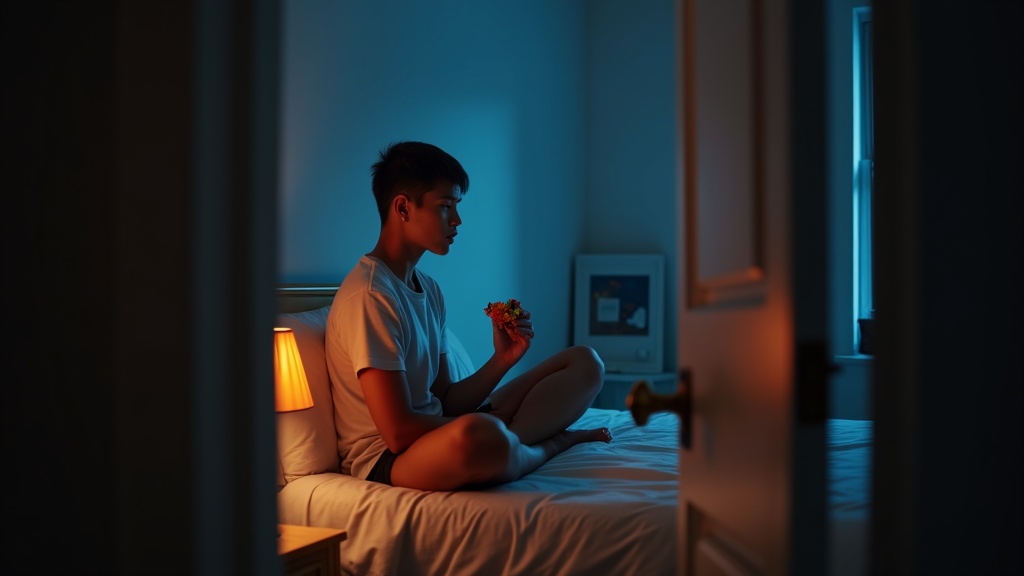
You’ve tried everything. You keep your bedroom cool and dark. You put your phone away an hour before bed. You even bought those expensive blackout curtains. But you’re still tossing and turning at midnight, or waking up at 3 a.m. with your mind racing, or dragging yourself out of bed feeling like you never really slept at all.
Here’s something most people don’t consider: the problem might be sitting in your fridge.
What you eat in the hours before bed has a much bigger impact on your sleep than you might think. And it’s not always the obvious stuff. Sure, everyone knows that chugging coffee at 9 p.m. is a bad idea. But there are plenty of seemingly innocent foods that can quietly sabotage your sleep without you making the connection.
That healthy salad with the tangy dressing? The small handful of dark chocolate after dinner? Even that glass of water with lemon? Any of these could be the reason you’re staring at the ceiling when you should be dreaming.
The tricky part is that these foods don’t always cause problems immediately. You might eat something at 7 p.m. and not feel the effects until hours later, when you’re trying to figure out why sleep suddenly feels impossible. Your body is still busy processing what you ate, and that’s keeping your brain from shifting into rest mode.
Once you know which foods are secretly messing with your sleep, you can make simple swaps that actually make a difference.
Spicy and acidic foods can lead to reflux and middle-of-the-night wake-ups
If you’ve ever woken up at 2 a.m. with a burning sensation in your chest or a sour taste creeping up your throat, you know how miserable it feels. That discomfort often comes from what you ate hours earlier, and it’s one of the sneakiest sleep disruptors out there.
Here’s what happens: when you lie down after eating something spicy or acidic, gravity stops working in your favor. Stomach acid can more easily travel back up into your esophagus, the tube connecting your mouth to your stomach. The result is heartburn, that familiar burning feeling, or what doctors call acid reflux.
Spicy foods are common troublemakers. A dinner loaded with hot sauce, a bowl of chili, or pepperoni pizza might taste amazing going down, but they can irritate your stomach lining and relax the valve that’s supposed to keep acid where it belongs. Acidic foods do similar damage. Tomato-based pasta sauce, orange juice before bed, vinegar-heavy salad dressings, and even some marinades can all trigger that uncomfortable burn.
You might notice other signs too: a nagging cough, frequent throat clearing, or feeling like something’s stuck in your throat. These are all ways your body tells you it’s not happy lying flat after a spicy or acidic meal.
The good news is you don’t need to give up your favorite flavors forever. Try eating smaller portions at dinner, or finish eating a bit earlier in the evening so your stomach has time to settle before bed. Dialing back the heat and acid after sunset can make a real difference in how well you sleep.
Heavy, high-fat meals can keep digestion working when you want to wind down
There’s nothing wrong with enjoying a juicy burger or a rich pasta dish. But when you eat these foods matters more than you might think, especially if you’re planning to sleep within a few hours.
High-fat foods take longer for your body to break down. Your stomach has to work harder and longer to digest them. When you’re trying to relax and drift off, your digestive system is still churning away like it’s the middle of the day. That can lead to uncomfortable bloating, a heavy feeling in your stomach, or even mild nausea that makes it hard to get comfortable.
Think about foods like burgers and fries, fried chicken, creamy alfredo sauces, or a big plate of nachos loaded with cheese. Rich desserts like cheesecake or ice cream also fall into this category. Even that Instagram-worthy charcuterie board with all the salami, brie, and crackers can sit pretty heavy if you’re munching on it late at night.
The issue isn’t that these foods are bad for you in general. It’s really about timing and how much you’re eating close to bedtime. A small snack is different from a full meal. Eating a double cheeseburger at 9 PM when you plan to sleep at 10 PM is asking your body to do two opposite things at once.
If you need something to eat in the evening, lighter options work better. Try a small bowl of oatmeal, some whole grain crackers with a bit of nut butter, or yogurt with a handful of berries. These give you a mix of carbs and protein without making your stomach work overtime while you’re trying to rest.
Sugary treats and alcohol can make you sleepy fast but disrupt sleep later
Ever notice how a bowl of ice cream or a couple of cookies before bed can make you feel drowsy, but then you’re wide awake at two in the morning? That’s your blood sugar talking.
When you eat something sweet late at night, your blood sugar spikes quickly. Your body responds by releasing insulin to bring those levels back down. The problem is that this drop can happen while you’re sleeping, and sometimes your body overreacts. That dip in blood sugar can trigger a stress response that jolts you awake, often leaving you feeling restless or wired despite being tired.
Sweet cereals, sweetened yogurt, chocolate, and desserts can all create this roller coaster effect. Even if you fall asleep easily after eating them, the quality of your sleep might suffer a few hours later.
Alcohol works differently but causes similar problems. A glass of wine or a nightcap might help you drift off faster because alcohol has a sedating effect at first. But as your body processes it during the night, that relaxation wears off.
What happens next is the opposite of what you want. Your sleep becomes lighter and more fragmented. You might wake up more often, toss and turn, or find yourself staring at the ceiling well before your alarm goes off. Beer, cocktails, and that after-dinner drink can all interfere this way, especially in the second half of the night.
If you’re noticing this pattern, try swapping the late-night sweets or drinks for something more sleep-friendly on nights when rest really matters. You’ll likely notice the difference by morning.
Salty or very processed snacks can leave you thirsty and waking up to pee
Late-night snacking can sabotage your sleep in a sneaky way that has nothing to do with digestion. When you munch on salty or heavily processed foods before bed, you’re basically setting yourself up for a night of interruptions.
Think about what happens after you eat a big bag of chips, instant noodles, pepperoni pizza, or salty microwave popcorn. Your mouth feels dry. You start craving water. So you drink a glass, maybe two. That feels better in the moment, but a couple hours later, your bladder is telling you it’s time to get up.
Foods like deli meats, packaged soups, salted nuts, and anything that leaves your fingers covered in seasoning dust are loaded with salt. Your body responds by making you thirsty, and if you drink that water close to bedtime, well, it has to go somewhere eventually.
Some people also notice they feel puffy or bloated after eating salty snacks at night. That uncomfortable, slightly swollen feeling doesn’t exactly help you drift off peacefully either.
If you’re genuinely hungry before bed, reach for something gentler. A small handful of unsalted almonds works well. So does a banana, some plain yogurt, or a slice of whole grain toast with a thin layer of almond butter. These options won’t leave you desperately hunting for the water bottle or stumbling to the bathroom at two in the morning.
The fix is surprisingly simple. Just save the chips and processed snacks for earlier in the day when nighttime bathroom trips won’t mess with your rest.







