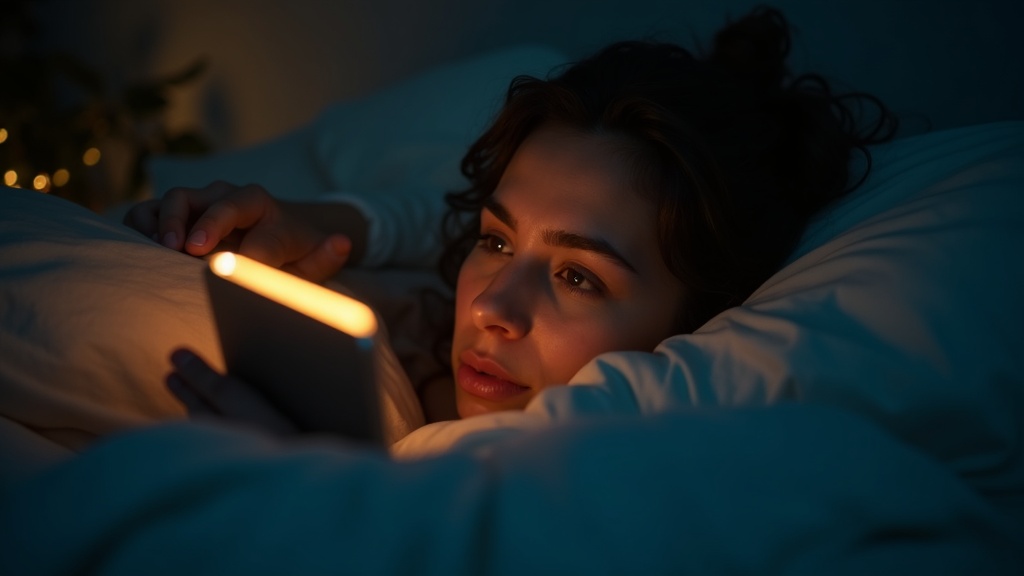
You’ve probably seen the ads. A sleek device promises to track your sleep stages, or a fancy lamp claims it’ll reset your circadian rhythm. The sleep tech market is flooded with gadgets that sound amazing in theory. But do any of them actually work once the novelty wears off?
That’s the question worth asking. Because buying a sleep gadget isn’t like buying a coffee maker. If it doesn’t deliver, you’re not just out some money. You’re still lying awake at three in the morning, frustrated and exhausted.
The good news is that some sleep gadgets really do help. Not in a magical way, but in practical, everyday ways that add up over time. The key is knowing which ones solve real problems and which ones just look good on your nightstand.
This isn’t about the newest releases or the flashiest features. It’s about what people actually use six months after buying it. What gets tucked into a drawer, and what becomes part of a better night’s sleep? We’re focusing on the devices that have proven themselves in real bedrooms, used by real people who just want to sleep better.
If you’re tired of tossing and turning, or you wake up feeling like you never really slept at all, the right sleep gadget might genuinely help. But only if you choose something that fits your actual life, not just your wishlist.
What makes a sleep gadget worth buying in the real world
The best sleep gadgets aren’t the ones with the most features. They’re the ones you actually keep using after the first week of excitement fades.
A genuinely useful device solves one specific problem that’s been messing with your sleep. Maybe your neighbor’s dog barks at 3 AM, so a white noise machine helps. Maybe streetlights leak through your curtains, so smart lighting that dims gradually makes a difference. The gadget doesn’t need to do everything. It just needs to fix the thing that’s keeping you awake.
Look for something that makes bedtime easier, not more complicated. When you’re tired at 11 PM, you don’t want to fiddle with seven settings or troubleshoot a connectivity issue. Good sleep tech works simply and predictably every single night. You set it up once, and then it just does its job without needing much attention.
The real test happens a month in. Are you still using it? Does it work reliably, or does it glitch and frustrate you? Pay attention to what long-term owners say about their experience after the novelty wears off. Someone who’s been using the same device for a year will tell you if it’s actually helpful or just sits on their nightstand collecting dust.
Useful looks different for everyone, but you’ll know it when you feel it. Maybe you’re falling asleep ten minutes faster instead of staring at the ceiling. Maybe you’re waking up less during the night. Maybe mornings feel a little less brutal. Small, consistent improvements beat dramatic promises that don’t pan out.
Sound gadgets that make noise less of a problem
White noise machines and similar sound gadgets work by creating a steady background hum that helps mask the unpredictable noises that actually wake you up. Think of it like audio camouflage. Your brain stops reacting to every car door slam or upstairs footstep because they blend into the constant sound.
These devices shine in specific situations. Light sleepers who wake up at the smallest sound tend to love them. People in apartments with thin walls or noisy neighbors see real improvement. They’re also popular with couples where one person goes to bed much earlier, or households with shift workers coming home at odd hours.
The best sound gadgets share a few practical qualities that matter in everyday use. Sound quality needs to be smooth and pleasant, not harsh or tinny. You want a decent volume range so you can adjust it properly without it being too quiet or obnoxiously loud. Simple controls make a difference because fumbling with complicated settings at 2 AM is frustrating.
Watch out for some common annoyances that show up in real-world use. Cheaper machines sometimes have obvious loops where the sound repeats every few seconds, and once you notice it, you can’t unhear it. Many devices have unnecessarily bright displays that light up your bedroom like a nightlight. If you’re using a phone app instead of a dedicated machine, incoming notifications can jolt you awake with a sudden volume spike.
One more thing worth mentioning: dedicated machines generally work better than apps because they keep playing all night without draining your phone battery or getting interrupted. They also don’t require a subscription or show you ads, which some sleep sound apps unfortunately do.
Smart lighting that supports winding down and waking up
Your bedroom light shouldn’t blast you with the same bright white glow at 10 p.m. that it uses at 10 a.m. Smart lighting lets you shift to warmer, dimmer tones in the evening and wake up to light that gradually brightens like a sunrise. It sounds simple, but people who stick with these setups say they genuinely feel more relaxed at night and less groggy in the morning.
The most popular approach is a bedside lamp that dims to a soft orange or amber in the evening, either on a schedule or with a quick voice command. You’re not fumbling with switches or squinting at harsh light right before bed. Some people add a dim red or orange night light in the bathroom or hallway, so middle-of-the-night trips don’t jolt them awake with overhead lighting.
Sunrise alarm lights are another favorite. Instead of a jarring beep, your room brightens slowly over twenty or thirty minutes. You wake up more naturally, and even on dark winter mornings, it feels less brutal. Many users say they actually turn off their backup alarm because the light alone does the job.
What makes people keep using these gadgets long-term? Easy scheduling that you set once and forget. A manual override so you’re not trapped by automation when your plans change. Low minimum brightness settings, because even the dimmest factory setting can feel too bright in a dark room. And most importantly, controls that work without opening an app every time. A physical switch or reliable voice command beats a buggy smartphone interface any day.
Sleep trackers that help without turning sleep into a performance
Sleep trackers can show you useful patterns without needing to be perfectly accurate. They’re good at spotting trends like whether you’re going to bed around the same time each night, how often you’re waking up, and whether you’re getting enough total hours. That’s honestly most of what you need to know.
The main options are wearables like fitness watches, slim rings you wear on your finger, or flat sensors that slide under your mattress. Each has trade-offs. Wearables and rings need charging every few days, and some people find them uncomfortable to sleep in. Under-mattress sensors don’t require wearing anything, but they can get confused if you share a bed with a restless partner.
The real value comes from looking at weeks or months of data, not obsessing over last night’s score. Maybe you’ll notice you sleep worse after late coffee, or that your Sunday night sleep suffers when you sleep in on weekends. Small insights like that can lead to small changes that actually help.
Here’s the thing: these devices aren’t medical equipment. They’re making educated guesses based on movement and sometimes heart rate. Don’t worry too much about the exact minutes of deep sleep or REM stages they report. Those numbers aren’t reliable enough to stress over.
The people who get the most from sleep trackers treat them like a gentle nudge, not a report card. Use the notes feature to track things like alcohol, stressful days, or trying a new pillow. Look for patterns over time. And if checking your sleep score first thing in the morning makes you anxious, it’s perfectly fine to skip tracking altogether.
Temperature and comfort gadgets for people who wake up hot or cold
Waking up drenched in sweat or shivering under extra blankets ruins sleep just as much as noise or light. Your body actually needs to drop its temperature slightly to fall asleep and stay asleep, so being too hot or too cold can jolt you awake multiple times a night.
Bedside fans and quiet air circulators are the simplest fix for hot sleepers. Look for models with multiple speed settings and a timer function. The key detail that keeps people happy long-term is noise level. A fan that hums loudly enough to bother you defeats the purpose, so it’s worth reading reviews specifically about sound.
Cooling mattress pads sit on top of your mattress and use water circulation or gel layers to pull heat away from your body. They work especially well for people dealing with night sweats from hormones or medication. The main consideration here is ease of cleaning and whether the pad requires electricity. Water-based systems need occasional maintenance, so factor that into your decision.
For cold sleepers or drafty bedrooms, modern heated blankets have come a long way. The best ones have dual controls for couples, auto-shutoff timers for safety, and low settings that just take the chill off without overheating. Some people leave them on only during the first hour of sleep, which warms the bed without running all night.
Sometimes the answer isn’t a gadget at all. Switching to breathable cotton or linen sheets, or adding a simple wool mattress topper, can solve temperature problems without electricity or noise. These upgrades cost less than most sleep tech and never need charging or maintenance.
Alarm gadgets that make waking up less jarring
Most people hate their alarm. That sharp beep or buzzer jolts you awake with a spike of adrenaline, and the temptation to hit snooze is instant. But a handful of sleep gadgets approach waking differently, and people who switch to them tend to stick with them for years.
Sunrise alarm clocks are the most popular option. They start glowing softly about 30 minutes before your wake time, then gradually brighten until your room feels like early morning. Many also add a gentle sound that fades in slowly. The idea is to mimic natural dawn, so your body starts waking up before the alarm ever makes noise. People say it feels less like being yanked out of sleep and more like drifting toward wakefulness.
If you share a bed, vibrating alarms can be a better fit. These clip onto your pillow or slip under your mattress and buzz instead of beeping. Your partner stays asleep, and you wake up without sound. Some people find the vibration alone works fine. Others pair it with a phone alarm set five minutes later as backup.
Gradual volume alarms are simpler but effective. Instead of blaring at full volume, they start barely audible and ramp up over a few minutes. You wake before the sound gets annoying, which means fewer angry snooze slaps. Many sound machines and smart speakers offer this feature now.
One practical note: if your area gets power outages, battery backup matters. Sunrise alarms without it just go dark and skip your wake time entirely. And if you use your phone as an alarm, keeping it across the room forces you to actually get up, which helps some people avoid the snooze spiral.
How to match a sleep gadget to the problem you actually have
Before you buy anything, spend a few nights noticing what actually wakes you up or keeps you from falling asleep. The solution that works for your neighbor might do nothing for you, because you’re solving different problems.
If it’s noise that gets you, whether that’s traffic, a snoring partner, or thin apartment walls, a white noise machine is your first move. It creates a steady sound blanket that makes sudden noises less jarring. Some people prefer a simple fan for the same reason.
Light leaking in at the wrong times calls for either blackout curtains or a sleep mask. But if your issue is more about staying up too late on your phone, smart lighting that shifts to warm tones after dinner can help your brain wind down naturally. Pair that with keeping your phone out of the bedroom entirely, even if it feels extreme at first.
Racing thoughts and trouble relaxing point toward guided meditation apps or a weighted blanket. Temperature issues, especially waking up hot and sweaty, mean looking at a cooling mattress pad or just a better bedroom fan before you spend serious money.
If your sleep schedule drifts all over the place, especially after travel or shift work, a sunrise alarm clock can help reset your internal rhythm without relying on willpower alone.
Pick the one friction point that bugs you most and address that first. Use the gadget consistently for two or three weeks during normal life, not just on vacation or during an easy week. If it helps, great. If it doesn’t, at least you know before buying three more things that might not matter either.
What people regret buying and what they keep using for years
The sleep gadgets that end up in closets usually share a few frustrating traits. They need too many apps just to turn on. They require complicated setup sequences that make you feel like you’re programming a spaceship instead of trying to relax. Some wearables pinch or heat up during the night, making them impossible to forget about. Others shine bright lights right when you’re trying to wind down, or they demand monthly subscriptions for features that seemed included at first.
Connectivity problems pop up constantly with certain devices. They lose their connection to your phone, forget their settings, or need firmware updates at the worst possible times. Even worse is when a gadget solves a problem you don’t actually have. A detailed sleep tracker won’t help if your real issue is a noisy neighbor or an uncomfortable mattress.
The sleep tech people keep using for years tends to be almost boring in its simplicity. It does one thing well without requiring much thought. A white noise machine with physical buttons that you can operate in the dark. A wake-up light that gradually brightens on a simple timer. These devices fit into your routine so easily that you stop noticing them, which is exactly the point.
Think about using your return window wisely. Most stores give you at least two weeks, which is enough time to know if something actually helps. You don’t need to analyze every data point or obsess over whether you gained twelve more minutes of deep sleep. The real question is simpler: do you feel better, and can you imagine still using this thing six months from now without it feeling like a chore?





