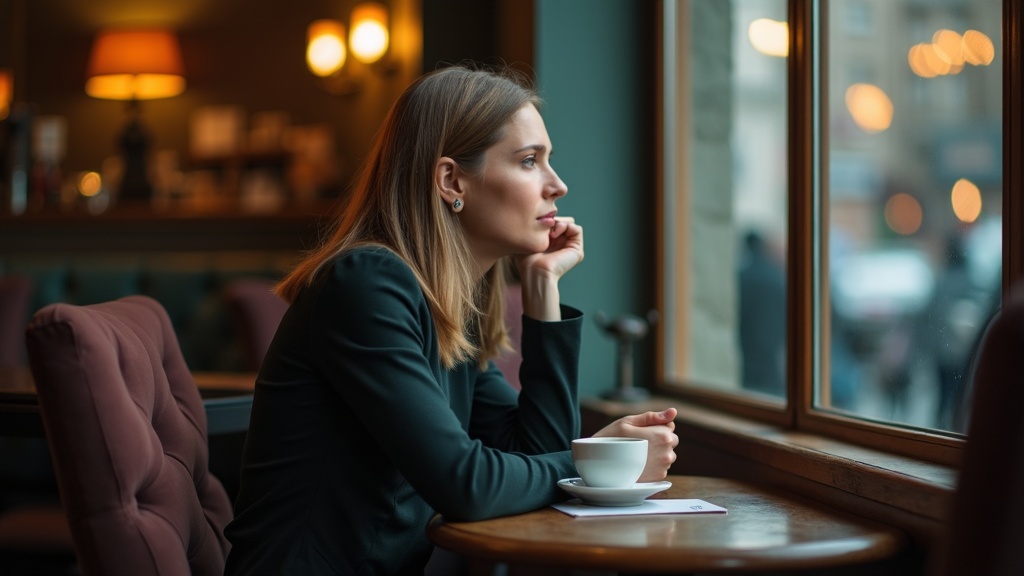
You probably already know that drinking coffee before bed is a bad idea. But that afternoon pick-me-up at two or three o’clock? That feels harmless enough. You fall asleep just fine most nights, so the caffeine must be out of your system by then.
Here’s the thing though. The problem with afternoon caffeine isn’t always obvious. You might not lie awake staring at the ceiling. Instead, you drift off at your usual time and sleep through the night without realizing anything is wrong.
But your sleep quality tells a different story. Maybe you wake up more often than you used to, even if it’s just for a few seconds that you don’t remember. Maybe your sleep feels lighter somehow, less restorative. You might spend enough hours in bed but still wake up feeling like you need more rest.
These subtle effects are easy to miss because they don’t announce themselves. You don’t connect the dots between your afternoon espresso and the fact that you’re hitting snooze three times every morning. The latte you grabbed after lunch doesn’t seem related to feeling foggy all day despite getting your full eight hours.
Most people have heard the basic advice about cutting off caffeine by a certain time. But the reality is more personal and more complicated than a one-size-fits-all rule. Your body processes caffeine differently than your coworker’s does, and that energy drink affects your sleep differently than a cup of tea would.
It’s not just falling asleep that caffeine affects
Most people think caffeine either keeps you awake or it doesn’t. You either lie there staring at the ceiling, or you fall asleep just fine. But that’s not how it actually works.
Caffeine from your afternoon coffee doesn’t necessarily stop you from falling asleep. Instead, it quietly messes with the quality of sleep you get once you’re out. You might drift off at your usual time and wake up at your usual time, but the sleep in between just isn’t doing its job properly.
Here’s what that actually looks like. You take longer to properly sink into sleep, even though your eyes are closed. You toss and turn more throughout the night. You might wake up at 3am or 4am for no obvious reason and struggle to fall back asleep. Some people report unusually vivid or anxious dreams.
The real kicker? You wake up feeling unrested. That groggy, heavy feeling that makes you reach for more coffee in the morning. Your sleep tracker might show you got seven or eight hours, but you feel like you got five.
Most people don’t connect these problems back to their 2pm latte. They blame stress from work. They wonder if they’re getting older. They start shopping for a new mattress or pillow. After all, they fell asleep fine, so how could it be the coffee?
But caffeine doesn’t need to keep you awake to wreck your sleep. It just needs to be in your system while you’re trying to rest. And that afternoon cup? It’s still very much in your system at midnight.
Why two people can drink the same coffee and sleep totally differently
You might have a friend who drinks espresso after dinner and falls asleep by ten. Meanwhile, a single afternoon latte keeps you staring at the ceiling past midnight. This isn’t just in your head.
Your body breaks down caffeine at its own speed, and that speed varies wildly between people. Some people are fast metabolizers who clear caffeine in three or four hours. Others are slow metabolizers who still have half the caffeine floating around eight hours later. Genetics play a big role here, but so do dozens of other factors.
Body size matters, but not as much as you’d think. Sensitivity matters more. Some people simply have more caffeine receptors in their brain, or receptors that respond more strongly. It’s like having the volume turned up higher on the same signal.
If you’re already sleep deprived, caffeine hits differently. Your tired brain is more vulnerable to disruption, even if you don’t feel more wired than usual. Stress and anxiety amplify caffeine’s effects too, creating a jittery feeling that lingers into the night.
Smoking speeds up how fast your body processes caffeine. Birth control pills and pregnancy slow it way down, sometimes doubling how long caffeine stays active. As you get older, your body typically gets slower at clearing it out.
Certain medications and supplements also interfere with caffeine metabolism. Some common ones include certain antibiotics, antidepressants, and even grapefruit juice.
Here’s the tricky part: being a daily coffee drinker doesn’t protect your sleep. Yes, you build tolerance to the jittery, alert feelings. But research suggests tolerance to caffeine’s sleep-disrupting effects is incomplete at best. You might not feel wired, but your deep sleep still takes a hit.
It’s not only coffee: common afternoon caffeine sources that sneak up on you
Most people think they’ve got their afternoon caffeine under control because they skip the big morning mug after lunch. But caffeine has a sneaky way of adding up from places you might not be counting.
That iced coffee you grabbed at two o’clock? It probably has more caffeine than you think. Cold brew especially packs a punch because it’s steeped longer, concentrating the caffeine. And those tall or large sizes aren’t just more liquid—they’re often double or triple the caffeine of a standard cup.
Tea drinkers aren’t off the hook either. A strong black tea has about half the caffeine of coffee, but if you’re sipping multiple cups through the afternoon, it adds up fast. Matcha is even trickier because you’re consuming the whole ground tea leaf, which means more caffeine stays in your system.
Then there are the drinks people forget to count altogether. That afternoon cola with lunch? Fifty to seventy milligrams. A piece of dark chocolate as a snack? Another twelve to twenty-five. Energy drinks can range wildly from eighty milligrams to over three hundred in a single can.
Pre-workout supplements deserve special mention because their caffeine content varies dramatically, and you’re often taking them specifically for that jolt. Some pain relievers also contain caffeine, sometimes as much as a cup of coffee per dose.
The real problem happens when you mix sources without thinking about it. Coffee at lunch, an iced tea at three, a chocolate treat at four—each one feels small, but together they’re pushing you well past the point where your body can clear it all before bedtime. Your brain doesn’t care which bottle or cup it came from.
How to find your realistic caffeine cut-off time without guessing
The best way to find your personal cut-off time is to test it deliberately but gently. Pick a typical week when your schedule is fairly normal. Not the week before a big deadline, not during vacation.
Start by keeping your caffeine routine exactly the same for two or three days while you pay attention to three specific things: how long it takes you to fall asleep, whether you wake up during the night, and how you feel when your alarm goes off. Write these down, even if it’s just a quick note in your phone.
Then move your last caffeine of the day earlier by about thirty to sixty minutes. If you usually have coffee at three in the afternoon, try two thirty instead. Keep everything else the same for another few days and watch those same three sleep signals.
The tricky part is isolating caffeine from everything else that affects your sleep. If you also had a late dinner, two glasses of wine, and scrolled your phone in bed, you won’t know what’s causing the problem. Change one thing at a time.
Keep moving your last caffeine earlier in small steps until you notice a real difference in how quickly you fall asleep or how rested you feel in the morning. For some people, that might be noon. For others, three in the afternoon works fine.
This isn’t about finding the perfect answer in one night. You’re looking for a pattern over several days. Once you find a time that consistently leaves you sleeping better, that’s your cut-off.
What to do when you need a boost but don’t want to pay for it at night
You don’t have to choose between suffering through the afternoon slump and lying awake at midnight. There are ways to get a lift without gambling with your sleep.
The simplest move is going smaller and earlier. Instead of a large coffee at three, try a small one at two. That extra hour matters more than you’d think, and the lower dose still helps without overstaying its welcome in your system.
Switching to tea gives you options too. Black tea has about half the caffeine of coffee, and green tea even less. You still get a pick-me-up, just a gentler one that fades sooner. Some people find half-caf or decaf surprisingly satisfying when they realize they’re craving the ritual and warmth as much as the jolt.
How you drink matters almost as much as what you drink. Sipping slowly over an hour spreads out the caffeine hit instead of spiking it all at once. Having it with food or a snack also smooths the absorption, making the effect less intense but longer-lasting in a manageable way.
Here’s the thing about repeated top-ups throughout the day: they keep your caffeine levels elevated right into evening. Many people do better loading up earlier, then switching to caffeine-free boosts after lunch. A five-minute walk outside, a glass of cold water, or even just standing near a bright window can wake up your brain without chemistry.
If you’re truly dragging, sometimes your body is asking for rest, not stimulation. A ten-minute close-your-eyes break can do more than another cup ever could. And unlike caffeine, it won’t still be working six hours later when you’re trying to sleep.
Afternoon workouts, naps, and energy drinks: timing traps that affect sleep
You might think a 4 PM energy drink before the gym is perfectly fine since bedtime is still six or seven hours away. But here’s the catch: energy drinks often pack way more caffeine than you’d expect. A single can might contain as much as two or three cups of coffee, sometimes even more. That big dose hits your system right when your body is naturally starting to wind down for the evening.
The workout itself adds another layer of complexity. Exercise raises your body temperature and keeps you alert for hours afterward. Combine that with a hefty caffeine boost and you’ve essentially told your body it’s go-time, not sleep-time. Even if you feel physically tired later that night, your brain might still be running on high alert. You’ll lie down exhausted but find your mind won’t quite settle.
Then there’s the afternoon slump solution many people try: drink coffee to power through, then take a quick nap later to catch up. This rarely works as planned. If you have caffeine at 2 PM and try to nap at 4 PM, the caffeine is just hitting peak levels in your bloodstream. You might manage to doze off from sheer exhaustion, but the sleep will be light and restless. Your body goes through the motions without getting real rest.
The tricky part about all these scenarios is that you don’t always feel wired. You might feel genuinely tired. But tired and sleepy aren’t quite the same thing. The caffeine can block the specific brain signals that help you fall asleep and stay asleep, even while your muscles feel heavy and your energy feels low.
How to tell if caffeine is the main issue or just part of the picture
The easiest way to know if caffeine is messing with your sleep is to watch what happens on days when you skip it or have it early. If you fall asleep faster and sleep more soundly on those days, caffeine is probably playing a big role. Same goes if you notice a clear difference after drinking coffee at two in the afternoon versus ten in the morning.
Pay attention to the pattern, not just one night. Did you toss and turn for an hour after having an iced latte at three? That’s a clue. Did you wake up feeling more rested after a caffeine-free Sunday? Another clue. The pattern matters more than any single night.
But some sleep problems show up no matter what you drink. If you consistently wake up at four in the morning and can’t fall back asleep, whether you had coffee or not, something else is likely going on. The same goes if your partner says you snore loudly or stop breathing during the night. If your legs feel restless and uncomfortable when you’re trying to fall asleep, that’s usually unrelated to caffeine.
Anxiety that keeps your mind racing at night might get a little worse with caffeine, but it’s rarely the root cause. If you’re lying awake worrying about work or replaying conversations, cutting out afternoon coffee might help a bit, but it probably won’t solve the whole problem.
The goal is to notice the connection between what you drink and how you sleep without turning it into a blame game. You’re just collecting information about your own body. Keep it simple and watch for patterns that repeat.





