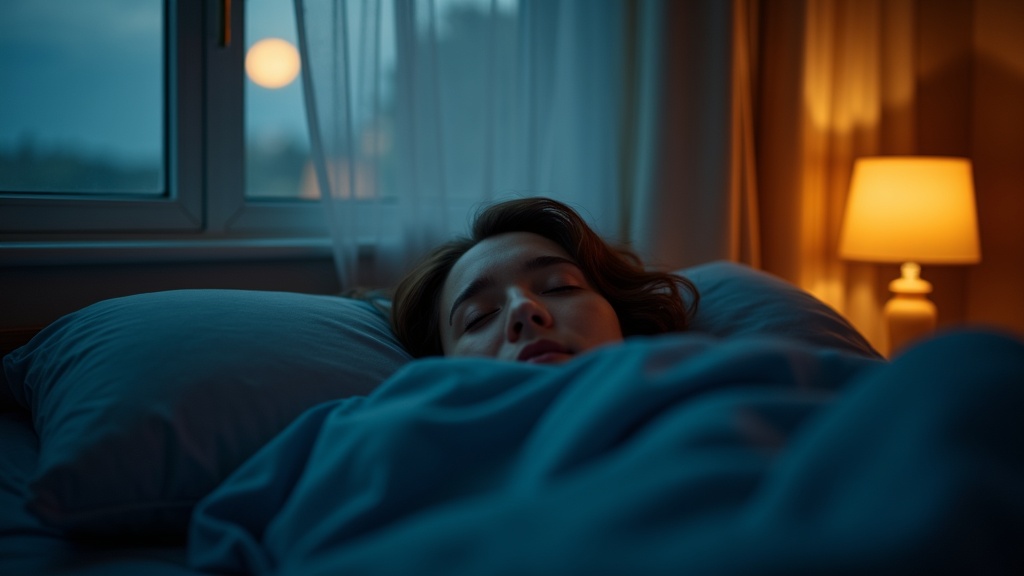
You’ve probably lain awake at 2 a.m. wondering if you made the right call. The room feels stuffy with the window closed, but cracking it open means dealing with street noise, traffic sounds, or that one neighbor’s dog. It’s a surprisingly annoying dilemma.
The promise of fresh air and better bedroom ventilation sounds great in theory. We’ve all heard that sleeping in a cool, well-ventilated room improves sleep quality. And there’s truth to that. But real life is messier than the advice suggests.
If you live on a quiet street surrounded by trees, keeping your window open might be wonderful. If you’re next to a busy road or above a bar, it’s a different story entirely. The same choice that helps one person sleep better might keep another person staring at the ceiling.
Then there are the practical concerns nobody mentions in those tidy sleep tips. What about allergies during pollen season? Security worries on the ground floor? The fact that your partner runs cold while you run hot?
The truth is, there’s no universal answer to whether you should sleep with your window open. But you can make a smarter choice for your specific situation. That means understanding what fresh air actually does for sleep, what the real downsides are, and how to weigh them against each other. It’s about finding what works in your bedroom, on your street, in your life.
What actually changes when you sleep with the window open
The most immediate thing you’ll notice is movement. Air starts flowing through your room instead of sitting still. Even a small crack in the window creates a gentle current that pushes out the stale, still air that builds up overnight.
Your room will also start matching the outside temperature more closely. If it’s cooler out there, your bedroom will gradually cool down. If it’s warmer, the room will warm up. This happens much faster than you might expect, especially in smaller bedrooms.
Then there’s the smell. Closed rooms develop a particular staleness that’s hard to describe but easy to recognize when you walk back in after being away. An open window brings in whatever’s outside: damp grass, blooming flowers, car exhaust, or just neutral fresh air. Sometimes that’s pleasant. Sometimes it’s not.
Sound changes too. Street noise, crickets, distant traffic, neighbors talking, dogs barking. All of it can drift in. Even quiet neighborhoods have more ambient sound than you realize when you’re used to a sealed room.
The air itself feels different on your skin. Moving air feels cooler than still air at the same temperature, which is why even a warm breeze can feel refreshing. But it can also feel drafty if you’re directly in the path of the airflow.
Most people who search for advice about sleeping with windows open are trying to solve one specific problem: their room feels stuffy and uncomfortable. But opening the window doesn’t just fix that one thing. It changes the entire environment you’re sleeping in.
When fresh air and ventilation help more than they hurt
Some mornings you wake up feeling foggy even after a full night’s sleep. Your eyes feel heavy, your head feels thick, and it takes forever to feel alert. If your bedroom feels stuffy or smells stale when you first open the door, poor ventilation might be part of the problem.
Rooms that stay closed all night can trap heat, humidity, and carbon dioxide from your breathing. You might notice the air feels thick or slightly damp. Odors from yesterday’s laundry or dinner linger longer than they should. These are signs your bedroom isn’t getting enough airflow, and fresh air sleep with a window open could genuinely help.
An open window works especially well if you live somewhere with mild nights and relatively quiet surroundings. The temperature outside doesn’t have to be perfect. Even slightly cool air moving through your room can make it feel more comfortable than still, warm air.
If opening the window all the way feels like too much, you have options. Crack it just a few inches to let some air circulate without inviting in too much noise or cold. Leave your bedroom door open so air can move between rooms. Point a fan toward an open window to pull fresh air in, or aim it out to push stale air away.
Even airing out your room for ten minutes before bed can make a difference. Open the window wide while you brush your teeth and get ready, then close it once the air feels fresher. You get the benefit of bedroom ventilation without committing to leaving it open all night.
Temperature is often the real reason sleep feels better or worse
When people say they sleep better with the window open, they usually mean the room felt more comfortable. Not just fresher or less stuffy, but actually easier to relax in. Temperature plays a huge role here, often bigger than the air quality itself.
Your body naturally cools down as you fall asleep. A room that’s too warm makes this harder, which is why you might toss and turn on hot nights. A cooler room usually helps you drift off faster and wake up less during the night. An open window can bring that cooling effect without you needing to fiddle with a thermostat.
But it’s not as simple as colder equals better. The goal is comfort and stability, not maximum cold. A room that starts pleasantly cool at bedtime but drops to freezing by 3 a.m. will wake you up just as surely as one that stays too warm. If you crack the window on a mild evening that later turns chilly, you might wake up shivering under a blanket that felt perfect earlier.
Drafts can be tricky too. A gentle, steady flow of cool air is one thing. A window that funnels gusts directly onto your bed is another. You want the temperature to stay relatively even, not swing wildly.
Then there’s the issue of your heating system. If you open the window while the radiator or heater is running, you’re just making them fight each other. The room might feel stuffy and cold at the same time, which is the worst of both worlds. During heat waves, an open window might actually let in warmer air than what’s inside, especially during the day.
The trick is matching the window to the night. Check what the temperature will do over the next few hours, not just right now.
Outside noise and light can cancel out the benefits
Fresh air feels wonderful until a siren blares past at two in the morning. That’s the trade-off many people face when they crack a window at night. Your room might feel less stuffy, but your sleep can become noticeably lighter and more broken up.
The real problem isn’t constant background noise. Most people can adjust to steady sounds like a distant hum of traffic or the whir of a fan. What disrupts sleep is the unpredictable stuff: a car door slamming, voices on the sidewalk, a dog barking, or a truck accelerating. These sudden sounds pull your brain partway out of deep sleep, even if you don’t fully wake up and remember it.
When your sleep gets interrupted like this throughout the night, you wake up feeling less rested. You might have spent eight hours in bed, but the quality wasn’t there. Your brain didn’t get enough unbroken time in the deeper stages of sleep.
Open windows also invite in early morning light, which can shift when you naturally wake up. Even through closed eyelids, dawn light signals your body that it’s time to start winding down sleep.
If noise or light is a problem but you still want some airflow, try opening the window just a crack instead of fully. You could also try a different window that faces a quieter side of your home. Heavier curtains help with both light and a bit of sound. Moving your bed farther from the window puts more distance between you and the disturbances. Some people find that a fan or white noise machine masks the unpredictable outdoor sounds while still allowing air circulation.
Air quality isn’t always better outside
We tend to think of outdoor air as automatically fresher than indoor air. But depending on where you live and what time of year it is, the air outside your bedroom window might actually make breathing harder at night.
Pollen is the most common culprit. During spring and fall, tree and grass pollen can drift into your room and settle on your pillow and sheets. Even if you don’t have diagnosed allergies, you might notice you wake up more congested or with a scratchy throat on high-pollen mornings. If you feel noticeably worse after sleeping with the window open during these seasons, that’s a pretty clear signal.
Wildfire smoke is another consideration if you live anywhere near areas prone to fires. Even light smoke can irritate your airways and make restful sleep harder to come by. The same goes for urban pollution on hot, still days when exhaust and other particles hang in the air.
Then there are the less obvious issues. If your window faces a restaurant, you might be breathing in grease and cooking odors all night. Neighbors who smoke outside can send drifts of cigarette smell into your room. And on humid, damp nights, that muggy air isn’t necessarily doing you any favors, especially if it makes your bedroom feel heavy and uncomfortable.
Pay attention to patterns. If you consistently wake up stuffy or with a headache after nights with the window open, your outdoor air might not be as fresh as it seems. Check how you feel morning to morning, and let your own breathing comfort be your guide.
Peace of mind matters as much as airflow
Fresh air means nothing if you can’t actually relax. You might crack open that window and immediately start listening for sounds outside, imagining someone could climb in, or worrying about your cat slipping through the gap. That low-level tension keeps part of your brain switched on when it should be powering down for sleep.
Ground-floor bedrooms and windows near fire escapes are the obvious concern. But even higher floors can feel exposed if the window opens wide or if you live somewhere unfamiliar. The worry isn’t always rational, but it’s real. And real worry affects your sleep just as much as stuffy air does.
The good news is you don’t have to choose between fresh air and feeling secure. If you have multiple windows, open one that’s smaller or harder to reach from outside. A window cracked just two or three inches gives you airflow without feeling vulnerable. You can also open it wide for the first hour of sleep, then close it once you’re drowsy.
Securing a screen helps with more than just insects, though that’s reason enough in warmer months. A locked screen won’t stop a determined intruder, but it creates a reassuring barrier that can quiet that nagging voice in your head. Same goes for pets. If you’re anxious about your dog or cat getting out, a secured screen or a window stop that limits how far it opens solves the problem completely.
Privacy matters too. If your window faces a walkway or another building, even a slightly open window can make you feel watched. Heavy curtains or blinds that stay closed while the window behind them stays open can give you both airflow and privacy.
How to decide for your bedroom without overthinking it
The simplest way to choose is to identify what bothers you most right now. If you wake up feeling groggy in a stuffy room, heat and stale air are probably your biggest problems. An open window makes sense, even if it means a bit of street noise.
If you live on a busy road and traffic wakes you up at night, keeping the window closed is the obvious move. Fresh air doesn’t help much if you’re not actually sleeping. A quiet suburb is a different story. You can probably crack the window without much downside.
Allergies shift the equation too. During pollen season, an open window might leave you congested and miserable by morning. But in winter, when allergens are low and indoor air gets dry and stale, opening up makes more sense.
Cold nights are worth thinking about separately. If you’re comfortable under a blanket and the room stays around 60 to 65 degrees, an open window can actually help you sleep better. But if you’re shivering or the room drops into the 50s, you’ll probably sleep worse.
The good news is you don’t need to pick one approach forever. You can open the window on quiet weekends and keep it closed on work nights when you need guaranteed rest. You can air out the room for twenty minutes before bed, then close it up once you’re under the covers.
Think of it as matching the window to the night, not locking yourself into a routine. What worked in July might not work in November. What helps on a calm Tuesday might ruin your sleep on a loud Friday. Pay attention to how you actually feel in the morning, and adjust from there.





