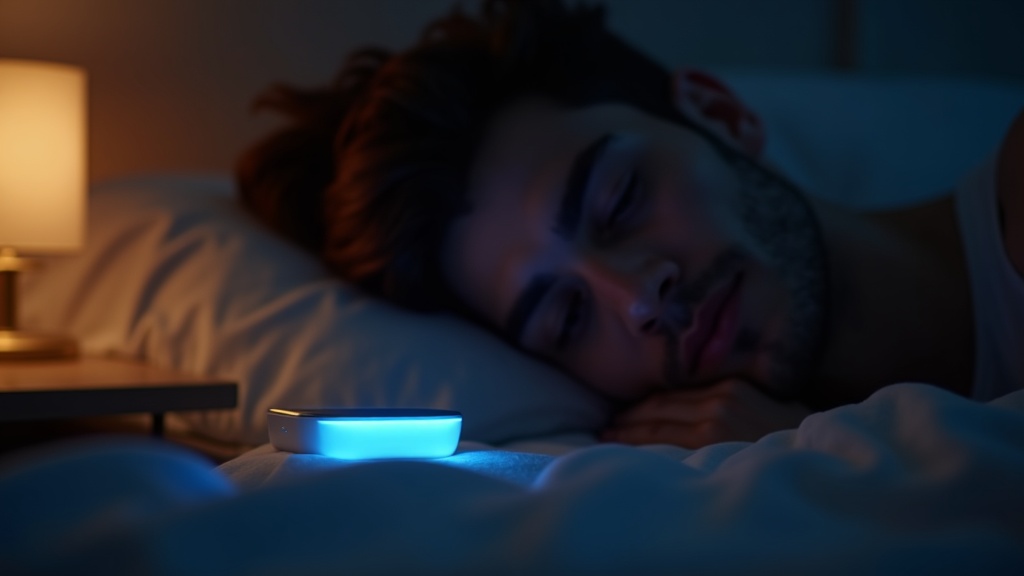
You strap on a smartwatch or clip a tracker to your pajamas, and by morning it tells you exactly how long you slept, how many times you woke up, and whether you hit enough deep sleep. The numbers look precise. They feel scientific. But here’s the real question: do they actually help you sleep better?
Most people don’t buy a sleep tracking device just to collect data. They want to fix something. Maybe you’re tired all day, or you wake up feeling unrested, or you just have a nagging sense that your sleep could be better. The tracker promises answers, and maybe even solutions.
But helpful doesn’t mean the same thing as accurate. A device might tell you that you got six hours and forty-three minutes of sleep last night, broken into neat pie charts of light, deep, and REM stages. That’s interesting information. The question is whether it changes anything about how you actually sleep or how you feel the next day.
Some people find that tracking motivates them to go to bed earlier or stick to a routine. Others get anxious seeing bad numbers night after night, which can make sleep worse. And plenty of users check their stats for a few weeks, then forget the device exists.
So when we ask whether sleep trackers really help, we’re not just asking if they measure things correctly. We’re asking if they move the needle on what matters: better rest, more energy, and fewer nights staring at the ceiling wondering why sleep feels so hard.
What sleep trackers can tell you (and what they can’t)
Most wearable sleep monitors work by tracking movement and heart rate. Some also pick up breathing patterns or changes in body temperature. From these signals, they make educated guesses about when you fell asleep, when you woke up, and what sleep stage you might have been in at different points during the night.
The keyword here is “guesses.” Your tracker isn’t reading your brain waves like the equipment in a proper sleep lab. It’s looking at clues like how still you are or how fast your heart is beating, then using that information to estimate whether you were in deep sleep, light sleep, or dreaming.
That means the sleep stages your tracker shows you aren’t perfectly accurate. You might see a score that says you got terrible deep sleep, but wake up feeling great. Or the opposite: a glowing report paired with grogginess that lingers all morning. A single night’s breakdown can be misleading, and obsessing over it rarely helps.
Where trackers do shine is in spotting patterns over time. If you notice you’re consistently going to bed at wildly different hours, or waking up multiple times every night, that’s useful information. Trends matter more than any individual score.
Think of your sleep tracker as a helpful mirror, not a report card. It can show you habits you didn’t realize you had, like how that extra coffee affects your restlessness or how much better you sleep on weekends. But it can’t tell you how rested you actually feel. Only you know that.
When tracking actually leads to better sleep
The magic happens when you spot a pattern you didn’t know was there. Maybe your tracker shows you’re going to bed at wildly different times each night, even though you thought you had a consistent routine. Or you notice that nights when you sleep poorly almost always follow an evening glass of wine or that late afternoon coffee.
These aren’t dramatic revelations. They’re small, specific observations that actually give you something to work with. One person might realize they’re spending nine hours in bed but only sleeping six and a half. Another might discover their worst sleep always follows Sunday nights, when they stay up later and sleep in the next morning.
The real benefit comes from picking just one thing to change. Not overhauling your entire life, just adjusting your caffeine cutoff time or setting a consistent bedtime alarm. The tracker becomes useful when it helps you test whether that one change actually works.
Some devices send gentle bedtime reminders, which sounds silly until you realize how easy it is to lose track of time while scrolling or watching TV. That nudge can be surprisingly effective at building a routine, especially in the first few weeks.
The key is checking your data briefly and purposefully, maybe once or twice a week. You’re looking for trends, not obsessing over last night’s numbers. People who benefit most from sleep tracking tend to treat it like a helpful mirror, not a report card. They make one small adjustment, see if it helps over a week or two, then either stick with it or try something else.
When sleep trackers add stress instead of relief
Here’s an irony that catches a lot of people off guard: sometimes the tool you buy to help you sleep better actually makes sleep worse. It happens more often than you’d think.
The trouble usually starts with the numbers. You wake up feeling refreshed, but your tracker says you only got four hours of deep sleep or that your sleep quality was sixty-two percent. Suddenly you’re questioning how you feel. The device is telling you one story, your body is telling you another, and you start trusting the screen more than your own experience.
Some people find themselves checking their stats in the middle of the night. They wake up naturally, glance at their wrist or phone, and see they’ve been tossing and turning. Now they’re stressed about being awake, which makes it harder to fall back asleep. The device meant to improve rest becomes another thing to worry about.
A low sleep score can cast a shadow over your entire day. You might have felt fine at breakfast, but after seeing that number, you convince yourself you’re exhausted. You move through your morning already defeated, blaming yesterday’s coffee or screen time, planning elaborate fixes for tonight.
Then there’s the chase for perfect sleep stages. People start obsessing over getting more deep sleep or hitting some ideal REM percentage. They tweak their routines endlessly, trying to game the system, turning something natural into a performance they’re failing at.
The truth is, some people sleep much better once they take the tracker off for a while. Without the pressure of being measured and judged every night, they relax. Sleep stops being a test they might fail and becomes just sleep again.
How to tell if a sleep tracking device is working for you
The best test isn’t what your tracker says. It’s how you feel when you’re not thinking about sleep at all.
Start with the basics. Do you wake up feeling more rested than you did a month ago? Are you less groggy mid-afternoon? Notice whether you’re reaching for that third coffee out of habit or actual tiredness. Pay attention to your mood and focus during boring tasks. These signals tell you more than any sleep score.
If you’re constantly checking your app or worrying about last night’s numbers, that’s worth noticing too. A device that makes you more anxious about sleep isn’t helping, even if the data looks interesting.
To spot real patterns, jot down a few quick notes alongside your tracker data. Not a detailed journal, just simple things. Did you eat late? Was work stressful? Did you exercise in the evening? After a couple of weeks, you might notice that your worst sleep always follows late dinners, or that morning walks actually make a difference.
The tracker gives you clues. Your notes help you see which clues actually matter.
Here’s a useful experiment: use your device for two or three weeks, then stop tracking for a week or two. Don’t change anything else about your routine. Just pause the tracking. Then compare how you feel. If you sleep better without the device or don’t notice any difference, that tells you something important. If you miss the insights and felt more in control with it, that’s useful information too.
The goal isn’t perfect data. It’s whether tracking leads to changes that make your days genuinely better.
When improving sleep with tech isn’t enough
Sleep trackers are helpful tools, but they have limits. They can show you patterns and trends, but they can’t fix underlying health problems that might be disrupting your sleep.
If you’re dealing with chronic insomnia where you lie awake night after night, a tracker will mostly just confirm what you already know: you’re not sleeping well. The same goes for loud snoring or pauses in breathing during the night. Your device might flag these issues, but it can’t treat them.
Some sleep problems need more than data. Restless legs that keep you tossing and turning, medications that interfere with your rest, or major disruptions to your schedule like shift work all fall into this category. A tracker can document the impact, but it won’t resolve the root cause.
Here’s a tricky one: sometimes your tracker might tell you your sleep looks fine, but you still feel exhausted every day. Those numbers don’t capture everything about sleep quality, and persistent fatigue despite decent metrics is worth investigating.
Think of your sleep tracker as a starting point, not a solution. It’s useful for noticing patterns and understanding your baseline. But if sleep problems persist for weeks, feel severe, or significantly impact your daily life, that’s when professional evaluation makes sense.
A doctor or sleep specialist has tools and knowledge that go far beyond what any wearable device can offer. They can identify specific sleep disorders, consider your overall health, and suggest treatments tailored to your situation. Your tracker data might even help that conversation, giving them a clearer picture of what’s been happening.







