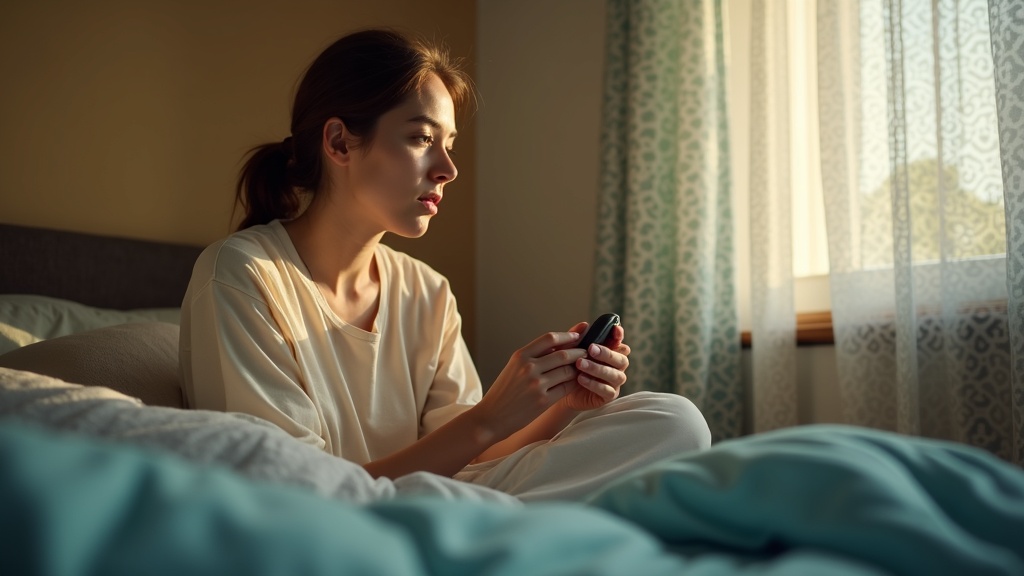
You want to sleep better, but you don’t want another device buzzing on your wrist all night. Fair enough. The idea of strapping on a smartwatch just to find out you slept poorly sounds exhausting before you even get into bed.
Here’s the thing though: sleep tracking doesn’t have to mean wearing gadgets or syncing apps or checking your sleep score like it’s a report card. There are actually some genuinely simple ways to understand your sleep patterns without turning your bedroom into a tech lab.
Some trackers sit under your mattress and you forget they exist. Others are basic rings that don’t light up or vibrate. A few are just clever pads you rest your head near. They quietly do their thing while you do yours, which is sleep.
The best part? These tools can actually tell you useful stuff. Not overwhelming data dumps about REM cycles and heart rate variability, but practical insights like whether you’re waking up a lot, or if your sleep timing is all over the place. Simple information that might actually help you feel more rested.
If you’ve written off sleep tracking because it seems too complicated or annoying, this guide is for you. We’re focusing on options that respect your desire for simplicity while still giving you something valuable in return. No PhD required, no charging cables taking over your nightstand, and definitely no judgment about your relationship with technology.
Wearable-free sleep sensors that stay out of your way
If the idea of wearing anything to bed makes you want to give up before you start, you’re not alone. Thankfully, there’s a whole category of sleep trackers that work without touching your body at all.
These devices usually fall into two camps. The first type sits under your mattress or mattress pad as a thin sensor strip. It picks up tiny movements and vibrations as you shift around, which tells it when you’re awake, restless, or sleeping deeply. You forget it’s there after the first night.
The second type sits on your nightstand and uses low-power radar waves to monitor your breathing and movement from a distance. Think of it like a motion detector, but much more sensitive. It tracks the rise and fall of your chest and how much you toss and turn.
Setup is usually straightforward but a little fussy. Under-mattress sensors need to be centered under your torso, not your partner’s. Bedside sensors need a clear line of sight and can’t be too far away. You’ll probably spend ten minutes repositioning things the first night.
In the morning, you open an app to see how long you slept, how often you woke up, and sometimes a breakdown of sleep stages. The data feels less invasive than a wristband somehow, even though you’re still looking at a screen.
The downsides are predictable. You need to plug them in. You need your phone nearby with Bluetooth on. And if you share a bed, some models struggle to tell who’s who, though newer ones are getting better at that. But if you want automatic tracking without anything on your wrist, this is the easiest path forward.
Low-drama wearables for people who can tolerate one small thing
If you’re someone who finds smartwatches annoying but can handle something tiny and forgettable, a simple ring or band might be your compromise. These devices sit quietly on your finger or wrist without buzzing, lighting up, or tempting you to check your email at 2 a.m.
The appeal is pretty straightforward. Rings especially feel like wearing nothing at all once you get used to them. They don’t have screens, so there’s no glow in the dark and no urge to fiddle. Simple bands work the same way, though some people find even a slim wristband annoying if they’re not used to wearing anything on their wrist.
What you actually get from these things is pretty basic, which is sort of the point. They’ll track how long you slept and give you a general sense of whether your body seems rested or run down. Some call this a recovery score or readiness rating. It’s not medical advice, just a rough signal about whether today might be a good day to push hard or take it easy.
But even these low-key devices come with their own mild annoyances. You have to remember to charge them every few days or once a week. Many require a monthly membership to see your full data, which can feel like paying rent on information about your own body. And even though they’re simpler than a smartwatch, the apps can still overwhelm you with graphs, trends, and suggestions you didn’t ask for.
They’re quieter than most gadgets, but they’re still gadgets. Just smaller ones.
Using your phone as a sleep tracking alternative
If you already keep your phone on the nightstand, you might not need to buy anything new. Your phone can track sleep in a few different ways, though each comes with its own quirks.
The simplest approach is just logging when you go to bed and when you wake up. Some phones have built-in bedtime features that let you set a sleep schedule and gently remind you when it’s time to wind down. You tap a button when you’re heading to sleep, then tap again in the morning. It’s basic, but it shows patterns over time without much fuss.
Then there are apps that use your phone’s sensors to detect movement during the night. You place the phone on your mattress near your pillow, and it picks up vibrations when you roll over or shift around. The idea is that less movement suggests deeper sleep. Some of these apps also listen for snoring or other sounds, and many include smart alarms that try to wake you during lighter sleep.
The upside is obvious: you don’t need to wear anything or plug in a new gadget. But there are real downsides too. Your phone needs to stay plugged in all night or the battery drains fast. You have to remember to put it in the right spot on the bed, which feels awkward if you share the mattress with someone. Notifications can still buzz through unless you’re careful with settings.
And then there’s the privacy angle. Your phone is recording movement and possibly sound all night. If that makes you uneasy, this approach probably isn’t for you. It works fine for casual curiosity, but it’s more of a compromise than a proper solution.
Low tech sleep monitoring that still teaches you something
You don’t need a device to notice patterns. A plain notebook and a pen can tell you more about your sleep than you’d think.
Try this: every morning, jot down one simple thing. How rested do you feel on a scale of one to five? That’s it. You’re not logging REM cycles or heart rate variability. You’re just checking in with yourself.
After a week or two, you might notice something. Maybe you feel better on days when you went to bed around the same time. Or worse after that second glass of wine. These aren’t scientific breakthroughs, but they’re your breakthroughs.
Add a couple of quick notes if you want. Did you have coffee after three in the afternoon? Stay up scrolling? Wake up at wildly different times on weekends? You’re not building a medical chart. You’re just connecting dots.
The beauty of this approach is that it shows cause and effect without making you feel like you’re studying for an exam. You had a terrible night’s sleep, and oh look, you also had an espresso at seven. Maybe that’s worth remembering.
This kind of tracking feels less like surveillance and more like paying attention. No apps buzzing at you. No scores making you anxious. Just you noticing what actually affects how you feel in the morning.
If even a notebook feels like too much, try mental check-ins for a few days. The goal isn’t perfection or data. It’s just becoming a bit more aware of what helps and what doesn’t.
How to choose a tracker by what you find annoying
The best tracker for you isn’t the one with the most features. It’s the one that doesn’t make you want to throw it out the window after three days.
If you hate charging things constantly, skip the smartwatches and fitness bands. Look instead at under-mattress pads or bedside devices that plug into the wall. They just sit there doing their job while you forget they exist. Some tracker rings can go a week between charges, which is a decent middle ground if you want something wearable.
If apps drive you crazy with their endless tabs and charts, you want something that just tells you one simple thing each morning. Basic sleep scores or a single number work better than graphs that look like a heart monitor. Some trackers even work without an app at all, showing results on a small display.
Hate subscriptions? You’re not alone. Plenty of trackers give you the basics for free and only charge if you want fancy analysis you probably don’t need. Read the fine print before buying, because some devices are basically expensive paperweights without paying monthly.
If wearing anything to bed feels wrong, you need a completely contact-free option. Under-mattress sensors and bedside radar devices track your breathing and movement without touching you. They’re not quite as precise as wearables, but they’re far better than nothing if you can’t stand having something on your wrist or finger.
And if you’re sensitive to lights or sounds while sleeping, avoid anything with glowing displays or notification beeps. Look for trackers that stay dark and silent all night, saving their feedback for morning.
Privacy and data settings that matter for reluctant tech users
If the idea of another gadget tracking your every move makes you uneasy, you’re not alone. Most simple sleep trackers collect basic information like when you fall asleep, when you wake up, and how much you toss around. Some also track heart rate or breathing patterns. None of this is inherently creepy, but it’s fair to wonder where that information goes.
Here’s what “cloud sync” actually means. When a device syncs to the cloud, it uploads your data to the company’s servers over the internet. This lets you see your sleep history on your phone or computer, and it means the company stores that information somewhere. Some people like the convenience. Others would rather keep their bedroom data to themselves.
The good news is you have options. Several simple sleep trackers store everything locally, meaning the data stays on the device or your phone and never leaves. Look for trackers that work without requiring an account, or that let you turn off cloud sync in the settings. It’s usually just a toggle switch.
You can also limit what permissions you grant. When an app asks for access to your location, contacts, or camera, you can say no. Sleep tracking doesn’t need to know where you live or who your friends are. Skip the social features that let you share sleep scores with others unless that genuinely sounds fun to you.
The point isn’t to become a privacy expert. It’s just knowing you can choose devices that respect your comfort level. A good simple sleep tracker should help you sleep better, not make you worry about who’s watching.







