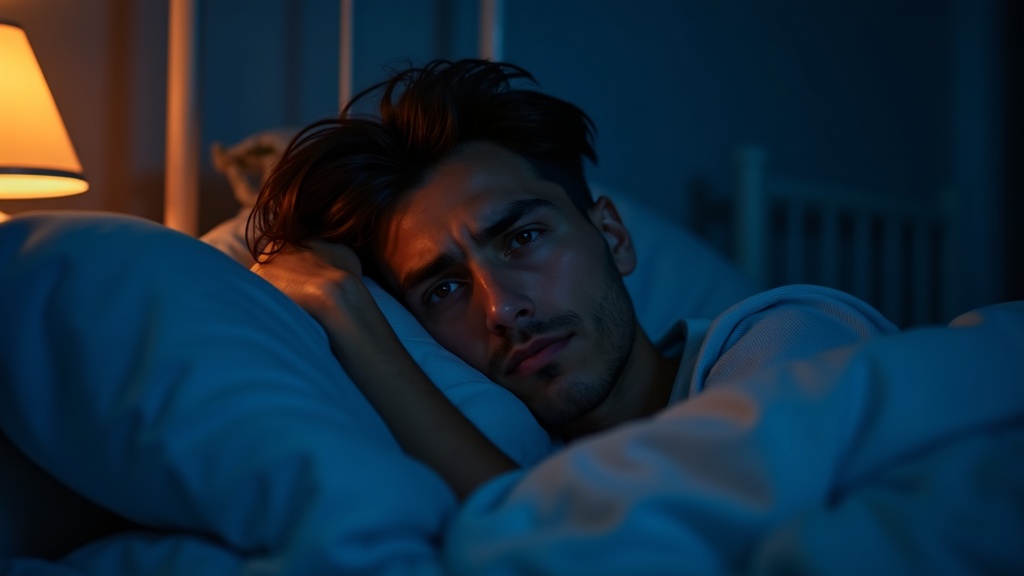
You’ve probably blamed your neighbor’s porch light or the streetlamp outside your window for a bad night’s sleep. And you’re not wrong. But light disrupts sleep in sneakier ways than most people realize.
That dim glow from your phone charger across the room? The thin strip of hallway light bleeding under your door? Even the moonlight filtering through your curtains on a clear night? They’re all working against you. Your brain reads light as a signal to stay alert, even when you’re exhausted and desperate to rest.
The tricky part is that you might not even notice these light sources consciously. Your eyes are closed, after all. But your body still picks up on them, and that’s enough to mess with your sleep cycles. You might fall asleep fine but wake up at three in the morning feeling oddly alert. Or you might sleep through the night but wake up feeling like you barely rested at all.
The good news is that you don’t need blackout curtains for every window or a completely dark cave to sleep in. Small, practical changes often make a surprisingly big difference. Sometimes it’s as simple as turning one device around or moving something six inches to the left.
This isn’t about achieving perfect darkness or buying expensive gear. It’s about identifying the bedroom lights you’ve stopped noticing and making quick fixes that help your nights feel genuinely calmer.
Find the exact light that’s waking you up
Before you start covering windows or unplugging things, spend ten minutes figuring out exactly what’s lighting up your room. You might be surprised. What you think is streetlight glow might actually be your neighbor’s motion sensor, or that annoying brightness on your pillow could be bouncing off a picture frame across the room.
Start by turning off all your bedroom lights right before bed. Let your eyes adjust for a minute or two. Then look around slowly and notice where you see light. Is it hitting your pillow? Spreading across the ceiling? Creeping under the door? Take note of where each glow actually lands, because that tells you where it’s coming from.
Pay attention to whether the light stays constant or changes. Streetlights and alarm clocks stay on all night. Car headlights sweep across your wall for a few seconds. Motion-activated lights outside flick on randomly. These sudden bursts of light are often worse than steady glows because they jolt your brain awake.
Check for reflections too. A dim light source can become much brighter when it bounces off a mirror, TV screen, or glossy furniture. Walk around your room during the day and look for shiny surfaces that face windows or electronics. These hidden reflectors might be amplifying light you didn’t realize was there.
If you can, do this check once when you wake up in the middle of the night. Your room might look completely different at two in the morning than it does at bedtime. That’s when you’ll catch the real culprits disrupting your sleep.
Stop outside light from slipping in
Streetlights have a way of finding you. So does your neighbor’s porch light, and that early sunrise that turns your bedroom into a spotlight at five in the morning. Even good curtains let light sneak in around the edges, and that’s often enough to mess with your sleep.
The biggest culprit is usually the gap between your curtain and the wall. Light pours in from the sides like water around a leaky door. A simple fix is using a wraparound curtain rod that curves around the wall at each end, keeping the fabric closer to the surface. If you can’t install new hardware, try hanging your curtains as wide as possible and tucking the edges behind furniture or using binder clips to pinch the curtain against the wall.
Adding a blackout liner behind your existing curtains works too, and you don’t need to sew anything. Many liners just hang on the same rod. For renters or quick solutions, a thick towel wedged along the windowsill can block that annoying strip of light at the bottom. Removable blackout film sticks directly to glass without damage and stops light from coming through entirely.
Don’t forget about the sneaky spots. Blinds often have gaps between slats that create stripes of light across your ceiling. Skylights are wonderful during the day and terrible at three in the morning. Transom windows above doors let in hallway light you might not even notice until you’re trying to sleep. Even moving your bed a few feet can help if a direct beam hits your face at the wrong angle.
The goal isn’t perfect darkness for everyone, but enough control that outside light doesn’t make the decision for you.
Reduce bedroom lights and tiny glows that keep your brain alert
Your bedroom might look dark when you turn off the main light, but take a closer look. Those little pinpricks of light are everywhere. Your alarm clock glows red or blue. Your phone charger has a tiny LED. The power strip under your desk pulses green. Your air purifier shows its fan speed. Your TV has a standby light that never turns off.
Each one seems harmless on its own. But together, they create enough light to keep your brain from fully relaxing. Even if these tiny glows don’t wake you up completely, they can make your sleep lighter and less restorative.
The easiest fix is to turn devices away from your bed. Point your alarm clock toward the wall instead of your face. Move your phone charger behind a nightstand or onto the floor. If you can’t move something, cover the light with a small piece of electrical tape or buy light-dimming stickers made for this exact problem.
Some devices let you adjust brightness in their settings. Check your air purifier, humidifier, or smart speaker for a display mode or night mode option. Many modern gadgets include this feature but leave it turned off by default.
Don’t forget about reflected light. A glossy picture frame or mirror can catch light from across the room and bounce it right onto your pillow. Even the shine from a phone screen charging face-up can reflect off your ceiling. Try repositioning mirrors or turning reflective objects to face away from your sleeping area.
You don’t need to unplug everything or live like you’re camping. Small adjustments make a real difference when light disrupts sleep night after night.
Prevent hallway and bathroom light from turning into a full wake-up
Getting up to use the bathroom is normal. What’s not helpful is turning on a bright overhead light that basically tells your brain it’s morning. Once you hit your eyes with that much light, you might as well have an espresso.
The fix is simple: use the dimmest light that still keeps you safe. A warm-toned night light in the bathroom or hallway works well for most people. Look for ones with orange or red tones rather than blue or white, since cooler colors are more likely to wake you up.
Motion-sensor night lights are even better because they only turn on when you need them. Just make sure they’re set to the lowest brightness that still lets you see where you’re going. The goal is to light the path, not the whole room.
Position matters too. Lights aimed at the floor are far less jarring than ones at eye level. If you’re stuck with an overhead fixture, try leaving the door cracked at an angle that blocks direct light from hitting your face when you’re in bed. A draft stopper or door sweep along the bottom of the door can also help contain light spill from bathrooms or hallways.
If your partner uses the bathroom at night, these same tricks apply. A night light in the bathroom means they don’t need to flip the main switch, which protects both of you from a middle-of-the-night brightness assault. It’s about finding the sweet spot where nobody trips, but nobody gets blasted awake either.
Make screens less likely to disrupt sleep if you use them at night
Screens aren’t sleep villains, but they do make falling back asleep harder if you check your phone during the night. The bright glow tells your brain to stay alert, especially when it hits you suddenly in a dark room.
The simplest fix is turning down the brightness. Way down. If you wake up at 3 a.m. and need to check the time or respond to something, a dim screen is far less jarring than a full-brightness blast. Most phones have auto-brightness, but it’s often still too bright for nighttime use.
Night mode or dark mode helps too. It swaps bright white backgrounds for darker ones, which means less light flooding into your eyes. Apps with white screens are particularly harsh at night, so switching to darker alternatives makes a real difference.
Warmer color settings matter more than you might think. Most devices have a setting that shifts the screen toward amber or orange tones in the evening. It’s not magic, but it does make the light feel less harsh and can make it easier to drift back off afterward.
Here’s one people forget: notifications that light up your screen. Even if you’re not actively using your phone, a text or app alert can create a sudden burst of light that pulls you out of sleep or makes it harder to settle back down. Turning on do-not-disturb or flipping your phone face-down solves this quietly.
If you can, keep screens out of the bed itself. Using them from even a short distance reduces how much light hits your face directly. And if you’re watching TV before sleep, sitting farther back and dimming the screen helps more than you’d expect.
Plan for sudden light bursts like cars, motion lights, and sunrise shifts
The worst wake-ups often come from light that hits you by surprise. A car turns into a driveway and headlights sweep across your ceiling. Your neighbor’s motion sensor catches a raccoon at two in the morning. The sun starts rising an hour earlier because daylight saving time ended. These sudden bursts jolt you awake in a way that steady light never does.
The first step is figuring out when and where the light comes from. Spend a few nights noticing the pattern. Does it happen every time someone comes home? Does it start at dawn during certain months? Once you know the timing and direction, you can match your fix to the problem.
Sometimes the simplest solution is moving your bed. If headlights always hit the same wall, shifting the bed a few feet to the side might put you out of the light path entirely. If that’s not practical, consider hanging an extra layer near the problem window at night. A throw blanket clipped over the curtain rod or a tension rod with a dark towel can block surprise flashes without major changes.
Heavier side panels help too. Regular curtains often leave gaps where the fabric meets the wall. Adding a panel that wraps slightly around the window frame catches light coming in at sharp angles, like from a car turning in.
Also check for reflective surfaces. Mirrors, picture frames, and glossy furniture can bounce and amplify a small flash of light across the whole room. Moving or covering these at night reduces the spread of any light that does get through.
Use wearable light blocking when the room can’t be fully controlled
Sometimes you just can’t control the light around you. Maybe you’re renting and can’t install blackout curtains. Maybe you’re traveling and staying in hotels with terrible blinds. Or maybe you share a bedroom with someone who wakes up earlier than you do.
A good sleep mask solves this problem without needing to change anything about the room itself. It’s portable, affordable, and works anywhere you sleep.
The key is finding one that actually fits well. Most cheap masks press against your eyelids, which feels uncomfortable and wakes you up when you blink or move your eyes during dreams. Look for masks with contoured cups that create space around your eyes. These sit on your brow and cheekbones instead of squashing your eyelids flat.
The nose area matters more than most people realize. Light sneaks in from below if the mask doesn’t sit flush against the bridge of your nose. Some masks have adjustable nose pieces or extra padding there. Test this by wearing the mask during the day and looking toward a window. If you see light bleeding in from below, it’ll bother you at night.
Keep a backup mask in your travel bag or nightstand drawer. They wear out, elastic loosens, and sometimes they fall behind the bed at the worst possible moment.
Wash your mask every week or two, just like a pillowcase. Oil from your skin builds up on the fabric and can irritate your face or make the mask slip around during the night.
If you’re dealing with both noise and light, pairing a sleep mask with earplugs covers both problems at once. But even on its own, blocking light makes a noticeable difference when you can’t darken the room any other way.
Set up a night-friendly home when you live with other people
When you share a home, someone’s always moving around while someone else is trying to sleep. The key is making small adjustments that work for everyone, not forcing the whole house to tiptoe in darkness.
Start with the lights you use when others are asleep. Swap bright overhead bulbs in hallways and bathrooms for dim, warm ones. A small lamp on a low shelf beats flipping on a ceiling light that floods the entire space. If your partner reads in bed while you’re trying to sleep, a directed reading light aimed away from your side of the bed solves the problem without anyone giving up their routine.
Doors matter more than you’d think. Light spills under and around them surprisingly well. A simple draft stopper or rolled towel at the bottom of your bedroom door blocks a lot of light from the hallway. If someone’s watching TV in the next room, closing your door partway might be enough.
Phones and tablets cause the most friction because everyone’s on a different schedule. The simplest fix is keeping screens on night mode after a certain hour, which dims everything and shifts to warmer tones. Turn down lock screen brightness so a quick phone check doesn’t light up the room like a flashlight. Better yet, keep devices face-down on nightstands or in another room entirely.
Talk about what actually bothers you. Maybe you don’t care about bathroom light at 2 AM, but the glow from someone’s laptop in the hallway drives you crazy. Most people are happy to adjust once they know what helps. Small, specific requests work better than broad rules everyone resents.
Know when light isn’t the whole story
Sometimes you can block every last bit of light and still find yourself staring at the ceiling at three in the morning. That’s your cue to consider whether something else might be going on.
If you’re waking up multiple times a night without any obvious light source triggering it, light might not be your main problem. The same goes if someone tells you that you snore loudly or seem to stop breathing briefly during sleep. Those patterns can point to issues that no amount of blackout curtains will fix.
Pain is another clear signal. If you’re waking because your back hurts or your joints ache, darkness won’t help much. Similarly, if you find yourself caught in spirals of worry or anxiety once you’re awake, that’s worth paying attention to. Night waking can also be a side effect of certain medications, so it’s worth reviewing anything new you’ve started taking.
The test is simple: if you’ve made reasonable efforts to control bedroom light and you’re still struggling with disrupted sleep that affects how you function during the day, it’s time to talk with a doctor or sleep specialist. They can help you figure out what’s actually happening and what might help.
This isn’t about being alarmist. It’s just practical. Light control is a useful tool, but it’s not the only tool. If you’ve given it a fair shot and you’re still not sleeping well, you deserve to explore other possibilities rather than endlessly adjusting your curtains.





