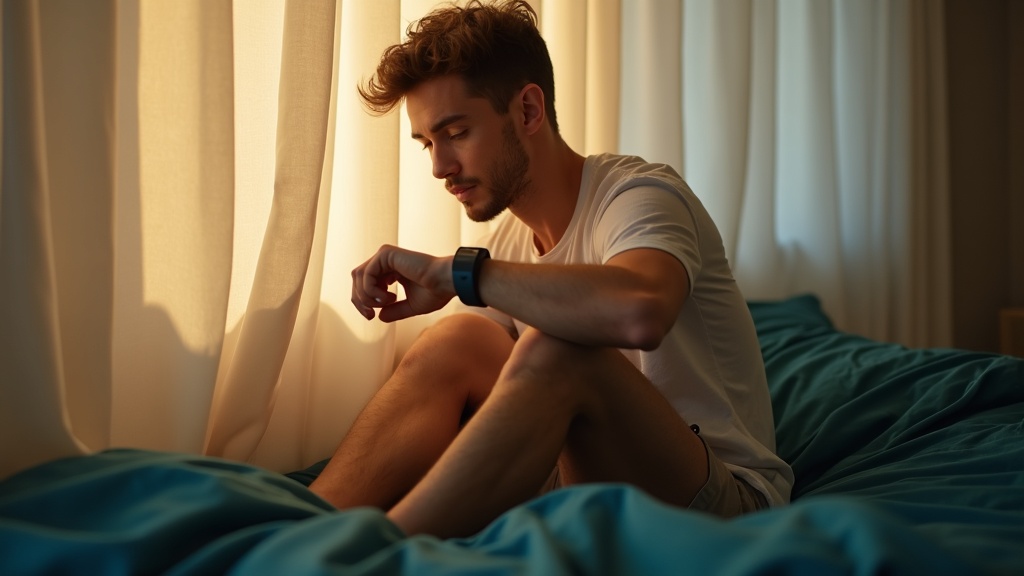
You’ve probably noticed that fitness trackers now come with sleep tracking features. They promise to monitor your rest, measure your sleep stages, and give you a score each morning. But here’s the question that actually matters: does wearing one help you sleep better, or does it just give you more numbers to look at?
It’s an important distinction. Knowing that you got six hours of light sleep and twenty minutes of deep sleep is interesting. But if that information doesn’t lead to actual changes in how you feel or sleep, then you’re basically just collecting data about a problem without solving it.
The truth is more nuanced than the marketing suggests. For some people, sleep tracking devices become genuine tools for improvement. They spot patterns, reveal habits that disrupt rest, and motivate better sleep routines. For others, these wearables for sleep create more anxiety than insight. They fixate on the numbers, stress about their sleep scores, and ironically end up sleeping worse.
So which camp will you fall into? That depends on how you use the technology and what you’re hoping to get from it. A fitness tracker isn’t a magic solution that automatically improves your sleep just by sitting on your wrist. But it can be a helpful starting point if you know what to do with the information it provides.
Let’s look at what these devices actually do, where they genuinely help, and where they tend to fall short.
Tracking sleep is not the same as improving it
Here’s what your fitness tracker actually does when you wear it to bed: it monitors your movement and heart rate to estimate how long you slept, when you woke up, and roughly what time you went to bed. Some devices also take a guess at your sleep stages, though that’s a whole separate conversation about accuracy.
What it doesn’t do is make you sleep better. The device itself won’t quiet your racing thoughts at midnight. It won’t fix your neighbor’s barking dog or your partner’s snoring. It can’t magically lower your stress levels or make your bedroom cooler and darker.
Think of a fitness tracker as a mirror, not a solution. It shows you patterns you might not notice otherwise. Maybe you’ll see that you actually sleep worse on nights when you have that third coffee at 4 p.m. Or that your Sunday sleep is much longer than weekdays, hinting that you’re running a sleep debt all week.
The real improvements happen when you notice something in the data and decide to change a habit. You might start dimming the lights earlier. You might move your workout to the morning instead of evening. You might finally admit that scrolling through your phone at 11 p.m. isn’t helping.
These changes come from you, not from the device. The tracker just made the pattern visible. It’s a useful nudge, and for some people that nudge is exactly what they need. But buying a sleep tracking device and expecting automatic results is like buying a scale and expecting to lose weight without changing what you eat.
Why simply owning a tracker can change your sleep habits
Here’s something interesting that happens when you start wearing a fitness tracker: you begin paying attention to your sleep without really trying. You glance at your wrist in the morning and see that you slept five hours and forty minutes. The next night, without making a formal plan, you find yourself heading to bed twenty minutes earlier.
This is what researchers call the awareness effect, but you can think of it more simply as the difference between guessing and knowing. Before trackers, most of us had only a vague sense of our sleep patterns. Now you see actual numbers. You went to bed at 11:47 last night and 12:23 the night before. That inconsistency becomes visible in a way it never was when you were just living your life.
The gentle nudges matter more than the detailed data. When your tracker buzzes at 10:30 PM suggesting you start winding down, it’s not lecturing you about sleep hygiene. It’s just a quiet reminder that bedtime exists. Many people find themselves naturally settling into more regular patterns simply because someone, or something, is keeping track.
Trackers also help you connect the dots between your choices and how you feel. You might notice that the night after you had coffee at 4 PM, your sleep summary looked messier than usual. You’re not analyzing deep sleep percentages or REM cycles. You’re just thinking, huh, maybe I should skip the late afternoon espresso.
This doesn’t work magic for everyone. Some people check their morning sleep score and shrug. But for many, just having a quiet observer on their wrist creates a subtle accountability that makes consistency easier to maintain.
Which sleep numbers are actually useful for regular people
Your fitness tracker probably shows you a dozen different sleep metrics every morning. Most of them don’t matter much for everyday life. Instead of trying to decode every graph, focus on just a few signals that actually help.
The most useful number is your bedtime and wake time consistency. If your tracker shows you’re going to bed at wildly different times each night, that’s worth paying attention to. Your body likes routine, and seeing those patterns laid out can be the nudge you need to stick to a schedule.
Total sleep time matters too, but look at the weekly average instead of obsessing over one night. Got six hours on Tuesday? That’s normal life. But if you’re averaging under seven hours for weeks on end, your tracker is catching something you might have been ignoring.
Here’s the thing about day-to-day numbers: they bounce around a lot. Your tracker might show you got less deep sleep last night, but that could be measurement noise or just natural variation. Weekly trends tell you more than daily swings ever will.
Many trackers give you a sleep score, usually a number out of 100. Think of it like a weather report. It’s a quick summary that can feel motivating when you see it improving. But it’s not a medical diagnosis, and a lower score doesn’t mean something’s wrong with you.
The most important metric isn’t on your tracker at all. It’s how you actually feel when you wake up. If your tracker says you slept great but you feel terrible, trust your body. The numbers work best when they help explain what you’re already experiencing, not when they override it.
When a sleep tracker doesn’t improve sleep (and can make it worse)
A fitness tracker can show you patterns in your sleep, but it can’t change the reasons you’re not sleeping well in the first place. If you work rotating shifts, care for a newborn, live next to a noisy road, or deal with chronic pain, the tracker will just confirm what you already know. It might tell you that you woke up six times last night, but it won’t make your apartment quieter or your baby sleep through the night.
Some people find that tracking their sleep actually makes things worse. They wake up, check their score, and immediately feel defeated. A bad number can set the tone for the entire day. Even worse, it can create anxiety about the next night. You go to bed worried about hitting your sleep goals, and that worry keeps you awake.
This turns sleep into a performance you’re being graded on. Instead of just resting, you’re trying to optimize. That pressure is the opposite of what helps you fall asleep naturally.
There’s also the simple issue of comfort. If the device feels awkward on your wrist or lights up during the night, it becomes one more thing disrupting your rest. And if you collect all that data but never look at it or use it to change anything, the tracker is just expensive jewelry.
The information itself isn’t helpful or harmful. What matters is whether you can actually do something useful with it, and whether tracking makes you feel more in control or just more stressed.





