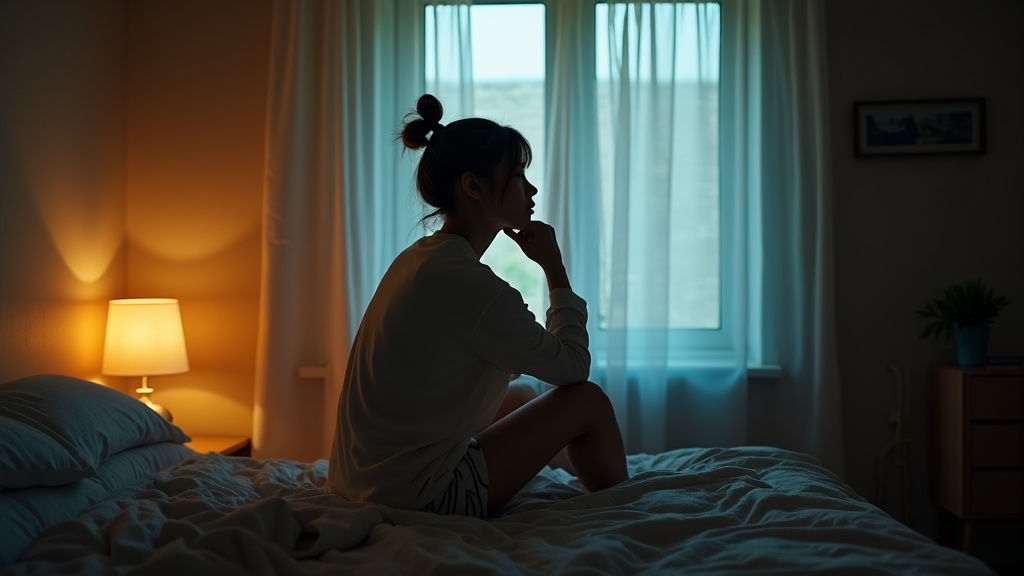
If you’ve ever found yourself staring at the ceiling at three in the morning, you’re not alone. Waking up in the middle of the night is incredibly common. Most people assume it’s just stress or too much coffee, and sometimes that’s exactly right.
But here’s the thing: there are quite a few surprising reasons you might be waking up that have nothing to do with your anxiety levels or your afternoon espresso. Some of them are so subtle that you might not even realize they’re disrupting your sleep.
Maybe your room is a degree or two too warm. Maybe you’re slightly dehydrated. Maybe it’s the way light sneaks through your curtains, or the fact that you ate dinner later than usual. These aren’t dramatic problems, but they can fragment your sleep just as effectively as obvious culprits.
The good news is that once you know what’s actually waking you up, you can often do something about it. Small adjustments can make a real difference. You don’t need to overhaul your entire life or invest in expensive solutions.
This article walks through both the well-known and the easy-to-miss reasons people wake up at night. Some will sound familiar. Others might surprise you. Either way, understanding what’s happening can help you get back to sleeping through the night.
Your sleep environment may be nudging you awake without you noticing
Your bedroom might look perfectly fine when you go to sleep, but small things can quietly pull you out of deep rest hours later. The tricky part is that these disruptions often don’t wake you up completely, so you might not even remember them happening. You just know you’re awake at 2 a.m. again, wondering why.
Light is a sneaky culprit. That little green LED on your phone charger, the glow from your alarm clock, or the streetlight filtering through your curtains can all signal your brain that it’s not fully nighttime anymore. Even a sliver of light from the hallway can be enough. Some people notice they wake up around the same time each night, right when a neighbor’s porch light clicks on or when a car drives by.
Noise works the same way. You might not consciously hear the refrigerator humming, the pipes clanking when someone flushes a toilet, or your cat padding around at 3 a.m. But your brain picks up on these sounds, and they can nudge you from deep sleep into lighter sleep or full waking. If you’re waking up seemingly randomly, pay attention to whether it happens right after a sound you barely noticed.
Temperature shifts are another quiet troublemaker. Your body naturally cools down during the night, so when your heater kicks on and the room gets warmer, it can wake you up. Same thing if your blankets trap too much heat or if you’re dealing with hot flashes. Waking up feeling uncomfortably warm at odd hours is usually a sign that temperature, not your mind, is the real problem.
Hidden allergies and nighttime congestion can fragment sleep
You might not realize allergies are disrupting your sleep, especially if you don’t have obvious daytime symptoms like sneezing fits or itchy eyes. But plenty of people have low-grade reactions that get worse at night and quietly pull them out of deep sleep.
The usual suspects are dust mites living in your mattress and pillows, pet dander if you have animals in the bedroom, mold hiding in corners or vents, or seasonal pollen that clings to your hair and clothes. When you lie down, mucus can pool in your throat and sinuses. That triggers postnasal drip, coughing, or a tickle that makes you wake up needing to clear your throat.
Some people wake with a parched mouth because they’ve been breathing through it all night without realizing. Others notice a scratchy or sore throat first thing in the morning. If your symptoms seem worse in your bedroom than anywhere else in the house, that’s a strong hint something in that space is bothering you.
Congestion also leads to mouth breathing and sometimes snoring, which can further disrupt your rest. You might not fully wake up each time, but these mini-disruptions add up. Your sleep becomes fragmented, and you end up feeling unrested even if you stayed in bed for eight hours.
The tricky part is that this kind of nighttime congestion doesn’t always feel dramatic. You might chalk it up to being a light sleeper or just having a dry bedroom, never connecting it to allergies at all.
Blood sugar swings and nighttime hunger can wake you up
Your body runs on fuel, and sometimes it wakes you up to let you know the tank is running low. Or that something’s off with how it’s processing that fuel.
If you ate a very light dinner or skipped it altogether, you might wake up three or four hours later feeling genuinely hungry. Your stomach might feel empty or even a bit queasy. Some people describe it as a gnawing feeling that makes it hard to relax back into sleep.
But hunger isn’t the only culprit here. A late-night dessert or sugary snack can actually backfire. Your blood sugar spikes, then crashes a few hours later. That crash can jolt you awake with a racing heart, sweaty palms, or a jittery, anxious feeling even though nothing stressful happened. Your brain interprets the physical sensation as danger, and suddenly you’re wide awake at two in the morning.
Alcohol does something similar. It might help you fall asleep initially, but as your body processes it overnight, your blood sugar can drop. You wake up feeling restless, warm, or oddly wired despite being tired.
Intense evening exercise can have the same effect. If you do a hard workout late and don’t eat enough afterward, your body may burn through its available fuel by the middle of the night. You wake up feeling off, maybe with your mind racing or your heart beating faster than it should while you’re lying still.
The pattern is usually the same: you fall asleep just fine, then wake up a few hours later feeling physically uncomfortable in a way that’s hard to pinpoint. And getting back to sleep feels nearly impossible because your body is sending alarm signals.
If this sounds familiar and you have diabetes or prediabetes, it’s worth talking to your doctor. For everyone else, paying attention to what and when you eat in the evening can make a real difference.
Needing to pee at night is often more about timing than your bladder
Most people assume nighttime bathroom trips are just part of getting older or having a small bladder. But the real culprit is often what you consumed in the hours before bed, and when.
Drinking water late in the evening is the obvious one. But herbal teas can be sneaky too. Many people sip chamomile or peppermint tea right before bed, thinking it’s harmless because it’s caffeine-free. The problem is you’re still adding a full mug of liquid that your kidneys will process while you sleep.
Alcohol is another hidden driver. It might make you drowsy at first, but it also suppresses a hormone that tells your kidneys to hold onto water. A few hours after that glass of wine, your body starts flushing out more fluid than usual. Same goes for certain foods with high water content, like watermelon or soup eaten late at night.
Here’s where it gets interesting. Sometimes the bathroom trip isn’t really the reason you woke up. You might wake because of noise, stress, or a sleep cycle shift, and then your brain suggests, “Well, since I’m awake, I might as well go.” Over time, this can become a habit. Your body starts expecting the trip and wakes you up for it, even if your bladder isn’t truly full.
One way to tell the difference: do you wake with urgent pressure, or do you wake first and then think about going? If it’s the latter, the bathroom might be reinforcing a waking pattern rather than causing it.
Medications and supplements can cause middle-of-the-night awakenings
If you’re waking up regularly during the night, it’s worth taking a look at what you’re putting into your body during the day. Medications and supplements can be sneaky culprits behind fragmented sleep, and most people never make the connection.
Stimulants are the obvious suspects. Coffee and energy drinks get all the attention, but prescription stimulants for ADHD or certain weight-loss medications can keep your brain buzzing well into the night, especially if taken later in the day. Even some decongestants sold over the counter have stimulant effects that can interrupt sleep hours after you’ve taken them.
Then there are medications that don’t feel like stimulants but still mess with sleep maintenance. Some antidepressants can cause vivid or disturbing dreams that jolt you awake. Steroids, often prescribed for inflammation or asthma, are notorious for revving up your system. And diuretics, which help manage blood pressure or fluid retention, do their job a little too well at night by sending you to the bathroom repeatedly.
Supplements deserve attention too. High doses of B vitamins, especially B12, can be energizing if taken in the evening. Even herbal supplements marketed for energy or focus might have subtle stimulating effects.
Timing matters enormously. Taking a medication at breakfast versus dinnertime can be the difference between sleeping through the night and waking up at three in the morning with a racing mind or a full bladder.
If you suspect your medications or supplements might be behind your nighttime awakenings, talk to your pharmacist or doctor. They can often adjust timing or suggest alternatives without compromising your treatment. Don’t stop taking anything on your own, but do speak up about your sleep.
Silent reflux can wake you even without obvious heartburn
Most people think of reflux as that burning sensation in your chest after a heavy meal. But there’s a quieter version that can jolt you awake in the middle of the night without any obvious heartburn at all.
Silent reflux happens when stomach acid travels up your throat while you’re lying down. Instead of the classic burning feeling, you might wake up coughing, feeling like you need to clear your throat, or noticing a sour or bitter taste in your mouth. Some people describe it as chest tightness or just a vague discomfort that’s hard to pin down.
The thing is, you might not connect these random sensations to what you ate for dinner. A glass of wine at nine. That rich pasta with cream sauce. Even something as innocent as tomato soup. When you lie flat a few hours later, gravity stops doing its job and acid can creep upward.
Spicy foods, chocolate, caffeine, and anything fatty are common triggers. So is eating too close to bedtime, even if it’s a relatively light meal. Your sleeping position matters too. Lying flat or on your right side can make reflux worse for some people.
The tricky part is that these wake-ups can feel completely random. You might just find yourself suddenly alert at two in the morning, maybe with a little cough or the urge to swallow repeatedly. Without the burning pain most people associate with reflux, it’s easy to assume something else is going on. But your throat and airways are more sensitive than you might think, and even mild irritation from acid can be enough to pull you out of sleep.





